


- Afhalen na 1 uur in een winkel met voorraad
- Gratis thuislevering in België vanaf € 30
- Ruim aanbod met 7 miljoen producten
- Afhalen na 1 uur in een winkel met voorraad
- Gratis thuislevering in België vanaf € 30
- Ruim aanbod met 7 miljoen producten





€ 305,45
+ 610 punten
Eenvoudig bestellen
Veilig betalen


Gratis thuislevering vanaf € 30 (via bpost)
Gratis levering in je Standaard Boekhandel
Omschrijving
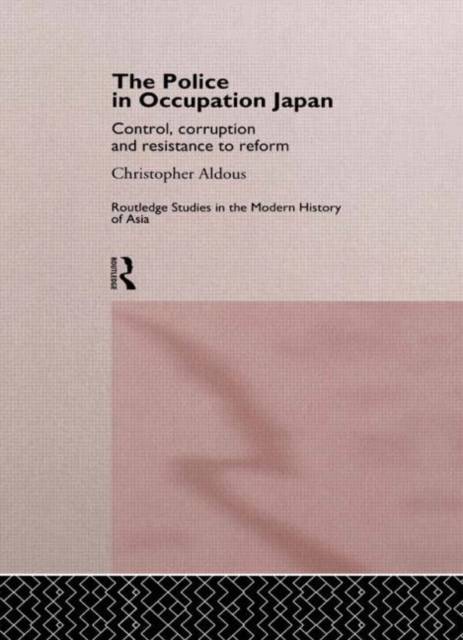
Many Western commentators have expressed their admiration for the Japanese police system, tracing its origins to the American Occupation of Japan (1945-52). This study challenges the assumptions that underlie these accounts, focusing on the problems that attended the reform of the Japanese police during the Occupation. Drawing on a wide range of primary sources, Christopher Aldous explores the extent to which America failed in it's goal of 'democratizing' the Japanese police force, arguing that deeply-rooted tradition, the pivotal importance of the black market, and the US's decision to opt for an indirect Occupation produced resistance to reform. His study concludes with a consideration of the postwar legacy of the Occupation's police reform, and touches on a number of recent controversies, most notably the case of Aum Shinrikyo.
Specificaties
Betrokkenen
- Auteur(s):
- Uitgeverij:
Inhoud
- Aantal bladzijden:
- 328
- Taal:
- Engels
- Reeks:
Eigenschappen
- Productcode (EAN):
- 9780415145268
- Verschijningsdatum:
- 2/01/1997
- Uitvoering:
- Hardcover
- Formaat:
- Ongenaaid / garenloos gebonden
- Afmetingen:
- 162 mm x 218 mm
- Gewicht:
- 566 g



Alleen bij Standaard Boekhandel
+ 610 punten op je klantenkaart van Standaard Boekhandel
CADEAU

AANGERADEN


Beoordelingen
We publiceren alleen reviews die voldoen aan de voorwaarden voor reviews. Bekijk onze voorwaarden voor reviews.