


- Afhalen na 1 uur in een winkel met voorraad
- Gratis thuislevering in België vanaf € 30
- Ruim aanbod met 7 miljoen producten
- Afhalen na 1 uur in een winkel met voorraad
- Gratis thuislevering in België vanaf € 30
- Ruim aanbod met 7 miljoen producten





€ 343,45
+ 686 punten
Omschrijving
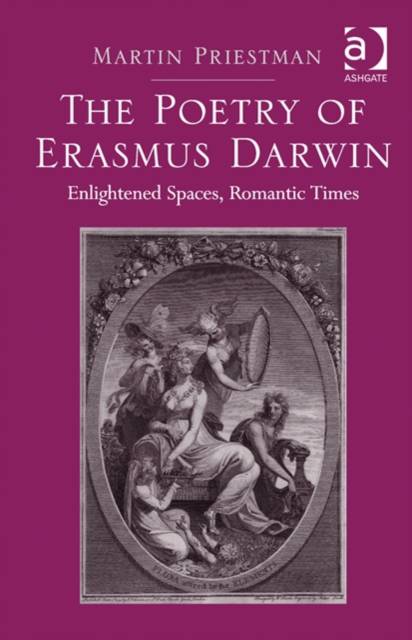
In his study of Erasmus Darwin's major poetry, Priestman situates his literary works and Darwin himself within a network of other scientists, writers, thinkers and social movers and shakers. Positing a significant shift from the Enlightenment's emphases on conceptual spaces to the Romantic period's emphases on historical time, Priestman gives Darwin's polymathic Enlightenment worldview and cognate poetics their due in a period when texts are too often judged by their adherence to a retrospectively constructed 'Romanticism'.
Specificaties
Betrokkenen
- Auteur(s):
- Uitgeverij:
Inhoud
- Aantal bladzijden:
- 324
- Taal:
- Engels
Eigenschappen
- Productcode (EAN):
- 9781472419545
- Verschijningsdatum:
- 16/12/2013
- Uitvoering:
- Hardcover
- Formaat:
- Genaaid
- Afmetingen:
- 156 mm x 234 mm
- Gewicht:
- 635 g


Alleen bij Standaard Boekhandel
+ 686 punten op je klantenkaart van Standaard Boekhandel
Cadeau

AANGERADEN


Beoordelingen
We publiceren alleen reviews die voldoen aan de voorwaarden voor reviews. Bekijk onze voorwaarden voor reviews.