


- Afhalen na 1 uur in een winkel met voorraad
- Gratis thuislevering in België vanaf € 30
- Ruim aanbod met 7 miljoen producten
- Afhalen na 1 uur in een winkel met voorraad
- Gratis thuislevering in België vanaf € 30
- Ruim aanbod met 7 miljoen producten





€ 51,95
+ 103 punten
Eenvoudig bestellen
Veilig betalen


Gratis thuislevering vanaf € 30 (via bpost)
Gratis levering in je Standaard Boekhandel
Omschrijving
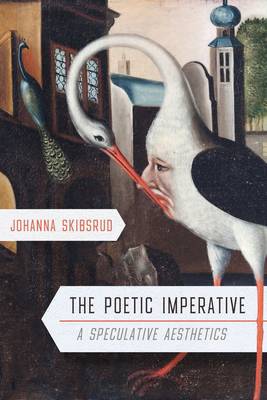
This book aims to expand our sense of poetry's reach and potential impact. It is an effort at recouping the poetic imperative buried within the first taxonomic description of human being: "nosce te ipsum," or "know yourself." Johanna Skibsrud explores both poetry and human being not as fixed categories but as active processes of self-reflection and considers the way that human being is constantly activated within and through language and thinking.
By examining a range of modern and contemporary poets including Wallace Stevens, M. NourbeSe Philip, and Anne Carson, all with an interest in playfully disrupting sense and logic and eliciting unexpected connections, The Poetic Imperative highlights the relationship between the practice of writing and reading and a broad tradition of speculative thought. It also seeks to demonstrate that the imperative "know yourself" functions not only as a command to speak and listen, but also as a call to action and feeling. The book argues that poetic modes of knowing - though central to poetry understood as a genre - are also at the root of any conscious effort to move beyond the subjective limits of language and selfhood in the hopes of touching upon the unknown. Engaging and erudite, The Poetic Imperative is an invitation to direct our attention simultaneously to the finite and embodied limits of selfhood, as well as to what those limits touch: the infinite, the Other, and truth itself.Specificaties
Betrokkenen
- Auteur(s):
- Uitgeverij:
Inhoud
- Aantal bladzijden:
- 160
- Taal:
- Engels
Eigenschappen
- Productcode (EAN):
- 9780228001706
- Verschijningsdatum:
- 16/04/2020
- Uitvoering:
- Hardcover
- Formaat:
- Genaaid
- Afmetingen:
- 160 mm x 231 mm
- Gewicht:
- 430 g


Alleen bij Standaard Boekhandel
+ 103 punten op je klantenkaart van Standaard Boekhandel
CADEAU

AANGERADEN


Beoordelingen
We publiceren alleen reviews die voldoen aan de voorwaarden voor reviews. Bekijk onze voorwaarden voor reviews.