


- Afhalen na 1 uur in een winkel met voorraad
- Gratis thuislevering in België vanaf € 30
- Ruim aanbod met 7 miljoen producten
- Afhalen na 1 uur in een winkel met voorraad
- Gratis thuislevering in België vanaf € 30
- Ruim aanbod met 7 miljoen producten





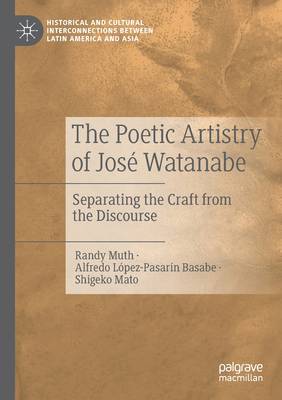
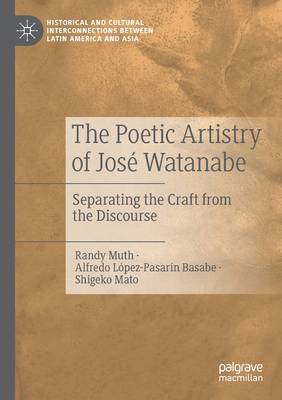
The Poetic Artistry of José Watanabe
Separating the Craft from the Discourse
Randy Muth, Alfredo López-Pasarín Basabe, Shigeko Mato
€ 108,45
+ 216 punten
Uitvoering
Omschrijving
Connecting multiple academic areas, this book addresses three aspects of the poetry of José Watanabe: 1) the construction of "Japaneseness" in the poetic works and public figure of the poet, 2) the skillful manipulation of literary devices characteristic of his poetry, 3) the unique sensibilities and moods of ephemerality and ineffableness prevalent in his poetic works. The trans/interdisciplinary nature of the book intends to promote a dialogue and exchange of ideas across academic fields neglected in most studies on the Peruvian poet. Written by researchers based in Japan, it offers a unique perspective of Japanese cultural phenomenon unavailable in previous studies. The goal of the book is to shed light on how Japan continues to be seen by the West through essentialist notions and stereotypical representations, as well as to highlight the fact that the literary quality of Watanabe's poetic artistry does not reside in it being "Japanese" and can be appreciated without resorting to essentialist categorizations based on positive Japanese stereotypes.
Specificaties
Betrokkenen
- Auteur(s):
- Uitgeverij:
Inhoud
- Aantal bladzijden:
- 173
- Taal:
- Engels
- Reeks:
Eigenschappen
- Productcode (EAN):
- 9783030816179
- Verschijningsdatum:
- 13/09/2022
- Uitvoering:
- Paperback
- Formaat:
- Trade paperback (VS)
- Afmetingen:
- 148 mm x 210 mm
- Gewicht:
- 258 g


Alleen bij Standaard Boekhandel
+ 216 punten op je klantenkaart van Standaard Boekhandel
Cadeau

AANGERADEN


Beoordelingen
We publiceren alleen reviews die voldoen aan de voorwaarden voor reviews. Bekijk onze voorwaarden voor reviews.