


- Afhalen na 1 uur in een winkel met voorraad
- Gratis thuislevering in België vanaf € 30
- Ruim aanbod met 7 miljoen producten
- Afhalen na 1 uur in een winkel met voorraad
- Gratis thuislevering in België vanaf € 30
- Ruim aanbod met 7 miljoen producten




€ 209,45
+ 418 punten
Eenvoudig bestellen
Veilig betalen


Gratis thuislevering vanaf € 30 (via bpost)
Gratis levering in je Standaard Boekhandel
Omschrijving
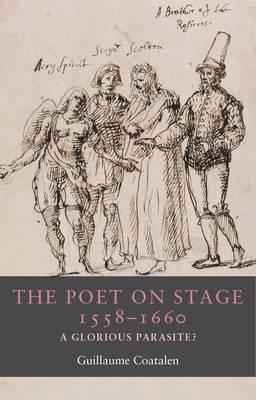
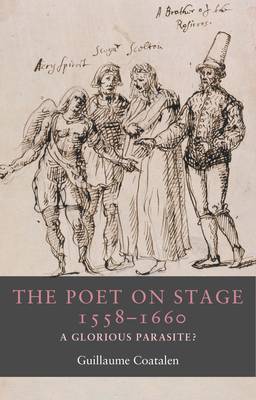
This study examines the image of the poet in early modern plays from 1558-1660, drawing on rarely discussed dramatic material by figures such as Shirley and Brome. It investigates how playwrights depict poets as working professionals and as socially ambivalent figures shaped by patronage, rivalry and shifting literary values. Through close attention to prologues, staged representations and mythological allusions, it highlights the poet's unstable position between mastery of a quasi-divine art and accusations of parasitism in a culture preoccupied with imitation and theft. By situating these portrayals within early modern society, aesthetics and readerships, the book offers new insight into poetic identity, social distinction and literary authority, enriching research in early modern drama, poetics and cultural history.
Specificaties
Betrokkenen
- Auteur(s):
- Uitgeverij:
Inhoud
- Aantal bladzijden:
- 352
- Taal:
- Engels
- Reeks:
- Reeksnummer:
- nr. 22
Eigenschappen
- Productcode (EAN):
- 9781526189844
- Verschijningsdatum:
- 15/12/2026
- Uitvoering:
- Hardcover
- Formaat:
- Genaaid
- Afmetingen:
- 138 mm x 216 mm


Alleen bij Standaard Boekhandel
+ 418 punten op je klantenkaart van Standaard Boekhandel
CADEAU

AANGERADEN


Beoordelingen
We publiceren alleen reviews die voldoen aan de voorwaarden voor reviews. Bekijk onze voorwaarden voor reviews.