


- Afhalen na 1 uur in een winkel met voorraad
- Gratis thuislevering in België vanaf € 30
- Ruim aanbod met 7 miljoen producten
- Afhalen na 1 uur in een winkel met voorraad
- Gratis thuislevering in België vanaf € 30
- Ruim aanbod met 7 miljoen producten





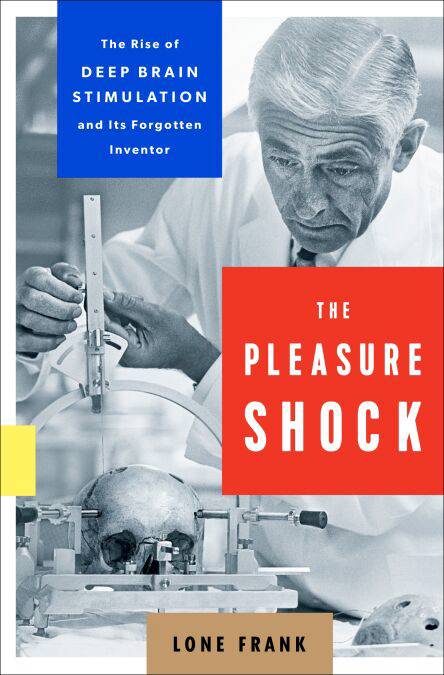
The Pleasure Shock E-BOOK
The Rise of Deep Brain Stimulation and Its Forgotten Inventor
Lone Frank
E-book | Engels
€ 6,93
+ 6 punten
Uitvoering
Omschrijving
The electrifying, forgotten history of Robert Heath's brain pacemaker, investigating the origins and ethics of one of today's most promising medical breakthroughs: deep brain stimulation
The technology invented by psychiatrist Robert G. Heath in the 1950s and '60s has been described as among the most controversial experiments in US history. His work was alleged at the time to be part of MKUltra, the CIA's notorious "mind control" project. His research subjects included incarcerated convicts and gay men who wished to be "cured" of their sexual preference. Yet his cutting-edge research and legacy were quickly buried deep in Tulane University's archives. Investigative science journalist Lone Frank now tells the complete sage of this passionate, determined doctor and his groundbreaking neuroscience.
More than fifty years after Heath's experiments, this very same treatment is becoming mainstream practice in modern psychiatry for everything from schizophrenia, anorexia, and compulsive behavior to depression, Parkinson's, and even substance addiction.
Lone Frank uncovered lost documents and accounts of Heath's trailblazing work. She tracked down surviving colleagues and patients, and she delved into the current support for deep brain stimulation by scientists and patients alike. What has changed? Why do we today unquestioningly embrace this technology as a cure? How do we decide what is a disease of the brain to be cured and what should be allowed to remain unrobed and unprodded? And how do we weigh the decades of criticism against the promise of treatment that could be offered to millions of patients?
Elegantly written and deeply fascinating, The Pleasure Shock weaves together biography, scientific history, and medical ethics. It is an adventure into our ever-shifting views of the mind and the fateful power we wield when we tinker with the self.
The technology invented by psychiatrist Robert G. Heath in the 1950s and '60s has been described as among the most controversial experiments in US history. His work was alleged at the time to be part of MKUltra, the CIA's notorious "mind control" project. His research subjects included incarcerated convicts and gay men who wished to be "cured" of their sexual preference. Yet his cutting-edge research and legacy were quickly buried deep in Tulane University's archives. Investigative science journalist Lone Frank now tells the complete sage of this passionate, determined doctor and his groundbreaking neuroscience.
More than fifty years after Heath's experiments, this very same treatment is becoming mainstream practice in modern psychiatry for everything from schizophrenia, anorexia, and compulsive behavior to depression, Parkinson's, and even substance addiction.
Lone Frank uncovered lost documents and accounts of Heath's trailblazing work. She tracked down surviving colleagues and patients, and she delved into the current support for deep brain stimulation by scientists and patients alike. What has changed? Why do we today unquestioningly embrace this technology as a cure? How do we decide what is a disease of the brain to be cured and what should be allowed to remain unrobed and unprodded? And how do we weigh the decades of criticism against the promise of treatment that could be offered to millions of patients?
Elegantly written and deeply fascinating, The Pleasure Shock weaves together biography, scientific history, and medical ethics. It is an adventure into our ever-shifting views of the mind and the fateful power we wield when we tinker with the self.
Specificaties
Betrokkenen
- Auteur(s):
- Uitgeverij:
Inhoud
- Aantal bladzijden:
- 320
- Taal:
- Engels
Eigenschappen
- Productcode (EAN):
- 9781101986547
- Verschijningsdatum:
- 19/03/2018
- Uitvoering:
- E-book
- Beveiligd met:
- Adobe DRM
- Formaat:
- ePub


Alleen bij Standaard Boekhandel
+ 6 punten op je klantenkaart van Standaard Boekhandel

Beoordelingen
We publiceren alleen reviews die voldoen aan de voorwaarden voor reviews. Bekijk onze voorwaarden voor reviews.