


- Afhalen na 1 uur in een winkel met voorraad
- Gratis thuislevering in België vanaf € 30
- Ruim aanbod met 7 miljoen producten
- Afhalen na 1 uur in een winkel met voorraad
- Gratis thuislevering in België vanaf € 30
- Ruim aanbod met 7 miljoen producten





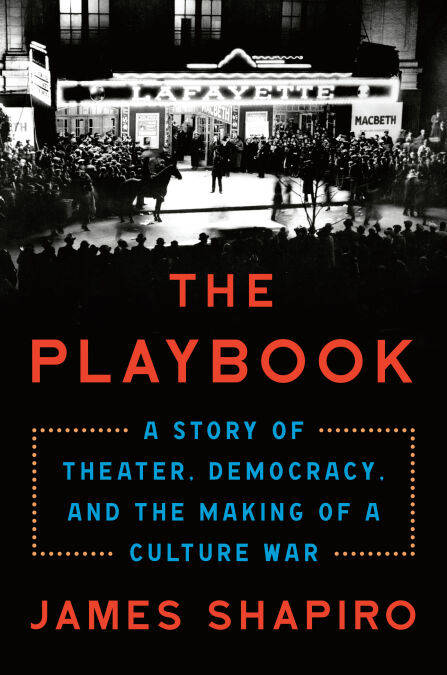
The Playbook E-BOOK
A Story of Theater, Democracy, and the Making of a Culture War
James Shapiro
E-book | Engels
€ 12,71
+ 12 punten
Uitvoering
Omschrijving
One of The Smithsonian's Ten Best History Books of the Year
A brilliant and daring account of a culture war over the place of theater in American democracy in the 1930s, one that anticipates our current divide, by the acclaimed Shakespeare scholar James Shapiro
From 1935 to 1939, the Federal Theatre Project staged over a thousand productions in 29 states that were seen by thirty million (or nearly one in four) Americans, two thirds of whom had never seen a play before. At its helm was an unassuming theater professor, Hallie Flanagan. It employed, at its peak, over twelve thousand struggling artists, some of whom, like Orson Welles and Arthur Miller, would soon be famous, but most of whom were just ordinary people eager to work again at their craft. It was the product of a moment when the arts, no less than industry and agriculture, were thought to be vital to the health of the republic, bringing Shakespeare to the public, alongside modern plays that confronted the pressing issues of the day—from slum housing and public health to racism and the rising threat of fascism.
The Playbook takes us through some of its most remarkable productions, including a groundbreaking Black production of Macbeth in Harlem and an adaptation of Sinclair Lewis’s anti-fascist novel It Can’t Happen Here that opened simultaneously in 18 cities, underscoring the Federal Theatre’s incredible range and vitality. But this once thriving Works Progress Administration relief program did not survive and has left little trace. For the Federal Theatre was the first New Deal project to be attacked and ended on the grounds that it promoted “un-American” activity, sowing the seeds not only for the McCarthyism of the 1950s but also for our own era of merciless polarization. It was targeted by the first House un-American Affairs Committee, and its demise was a turning point in American cultural life—for, as Shapiro brilliantly argues, “the health of democracy and theater, twin born in ancient Greece, have always been mutually dependent.”
A defining legacy of this culture war was how the strategies used to undermine and ultimately destroy the Federal Theatre were assembled by a charismatic and cunning congressman from East Texas, the now largely forgotten Martin Dies, who in doing so pioneered the right-wing political playbook now so prevalent that it seems eternal.
A brilliant and daring account of a culture war over the place of theater in American democracy in the 1930s, one that anticipates our current divide, by the acclaimed Shakespeare scholar James Shapiro
From 1935 to 1939, the Federal Theatre Project staged over a thousand productions in 29 states that were seen by thirty million (or nearly one in four) Americans, two thirds of whom had never seen a play before. At its helm was an unassuming theater professor, Hallie Flanagan. It employed, at its peak, over twelve thousand struggling artists, some of whom, like Orson Welles and Arthur Miller, would soon be famous, but most of whom were just ordinary people eager to work again at their craft. It was the product of a moment when the arts, no less than industry and agriculture, were thought to be vital to the health of the republic, bringing Shakespeare to the public, alongside modern plays that confronted the pressing issues of the day—from slum housing and public health to racism and the rising threat of fascism.
The Playbook takes us through some of its most remarkable productions, including a groundbreaking Black production of Macbeth in Harlem and an adaptation of Sinclair Lewis’s anti-fascist novel It Can’t Happen Here that opened simultaneously in 18 cities, underscoring the Federal Theatre’s incredible range and vitality. But this once thriving Works Progress Administration relief program did not survive and has left little trace. For the Federal Theatre was the first New Deal project to be attacked and ended on the grounds that it promoted “un-American” activity, sowing the seeds not only for the McCarthyism of the 1950s but also for our own era of merciless polarization. It was targeted by the first House un-American Affairs Committee, and its demise was a turning point in American cultural life—for, as Shapiro brilliantly argues, “the health of democracy and theater, twin born in ancient Greece, have always been mutually dependent.”
A defining legacy of this culture war was how the strategies used to undermine and ultimately destroy the Federal Theatre were assembled by a charismatic and cunning congressman from East Texas, the now largely forgotten Martin Dies, who in doing so pioneered the right-wing political playbook now so prevalent that it seems eternal.
Specificaties
Betrokkenen
- Auteur(s):
- Uitgeverij:
Inhoud
- Aantal bladzijden:
- 384
- Taal:
- Engels
Eigenschappen
- Productcode (EAN):
- 9780593490211
- Verschijningsdatum:
- 27/05/2024
- Uitvoering:
- E-book
- Beveiligd met:
- Adobe DRM
- Formaat:
- ePub


Alleen bij Standaard Boekhandel
+ 12 punten op je klantenkaart van Standaard Boekhandel
CADEAU


Beoordelingen
We publiceren alleen reviews die voldoen aan de voorwaarden voor reviews. Bekijk onze voorwaarden voor reviews.