


- Afhalen na 1 uur in een winkel met voorraad
- Gratis thuislevering in België vanaf € 30
- Ruim aanbod met 7 miljoen producten
- Afhalen na 1 uur in een winkel met voorraad
- Gratis thuislevering in België vanaf € 30
- Ruim aanbod met 7 miljoen producten





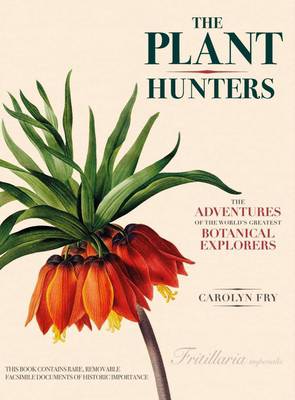
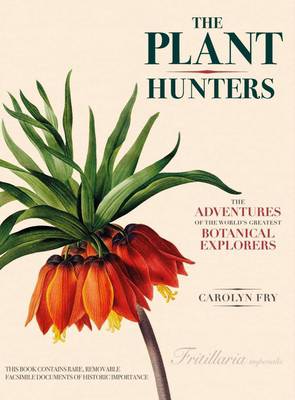
The Plant Hunters
The Adventures of the World's Greatest Botanical Explorers
Carolyn Fry
Hardcover | Engels
€ 33,95
+ 67 punten
Uitvoering
Omschrijving
From geraniums to begonias, the common plants that often adorn backyard gardens are rarely native to our region. The same goes for many of the diverse and delicious fruits and vegetables that grace our dinner tables. We take their accessibility and ubiquity for granted, unaware of the great debt we owe to the naturalists and explorers who traveled around the world in search of these then unusual plants and brought back samples and seeds--along with fantastic stories. In The Plant Hunters, Carolyn Fry pays homage to those whose obsession with plants gave rise to our own passion for botanicals and gardening.
Lavishly illustrated with more than one hundred images from the archives at the Royal Botanical Gardens at Kew, The Plant Hunters offers an accessible history of plant exploration and discovery through short, informative entries. From the naturalists of Alexander the Great's entourage to pioneering botanists such as Joseph Hooker, Joseph Banks, and Alexander von Humboldt, Fry's history covers the globe in its celebration of our fascination with plants. She shows how coconut trees and numerous fruits and vegetables were spread from one country to many, and the significant role that newly discovered plants, including tulips, tea, and rubber, have played in economic history. The Plant Hunters also traces the establishment of botanical gardens and the many uses of plants in medicine. In addition to stunning botanical drawings, the book features several unique facsimiles, including a letter from Carl Linnaeus, the father of taxonomy; extracts from Joseph Hooker's notebooks; an extract from the orchid sketchbook of John Day; and an original map of Kew Gardens made in 1740 by Jean Rocque.
This gorgeous and entertaining history will be a perfect gift for gardeners, and anyone fascinated by the intersection of the histories of science and discovery.
Lavishly illustrated with more than one hundred images from the archives at the Royal Botanical Gardens at Kew, The Plant Hunters offers an accessible history of plant exploration and discovery through short, informative entries. From the naturalists of Alexander the Great's entourage to pioneering botanists such as Joseph Hooker, Joseph Banks, and Alexander von Humboldt, Fry's history covers the globe in its celebration of our fascination with plants. She shows how coconut trees and numerous fruits and vegetables were spread from one country to many, and the significant role that newly discovered plants, including tulips, tea, and rubber, have played in economic history. The Plant Hunters also traces the establishment of botanical gardens and the many uses of plants in medicine. In addition to stunning botanical drawings, the book features several unique facsimiles, including a letter from Carl Linnaeus, the father of taxonomy; extracts from Joseph Hooker's notebooks; an extract from the orchid sketchbook of John Day; and an original map of Kew Gardens made in 1740 by Jean Rocque.
This gorgeous and entertaining history will be a perfect gift for gardeners, and anyone fascinated by the intersection of the histories of science and discovery.
Specificaties
Betrokkenen
- Auteur(s):
- Uitgeverij:
Inhoud
- Aantal bladzijden:
- 64
- Taal:
- Engels
Eigenschappen
- Productcode (EAN):
- 9780226093314
- Verschijningsdatum:
- 23/09/2013
- Uitvoering:
- Hardcover
- Formaat:
- Genaaid
- Afmetingen:
- 226 mm x 294 mm
- Gewicht:
- 984 g


Alleen bij Standaard Boekhandel
+ 67 punten op je klantenkaart van Standaard Boekhandel
Cadeau

AANGERADEN


Beoordelingen
We publiceren alleen reviews die voldoen aan de voorwaarden voor reviews. Bekijk onze voorwaarden voor reviews.