


- Afhalen na 1 uur in een winkel met voorraad
- Gratis thuislevering in België vanaf € 30
- Ruim aanbod met 7 miljoen producten
- Afhalen na 1 uur in een winkel met voorraad
- Gratis thuislevering in België vanaf € 30
- Ruim aanbod met 7 miljoen producten




€ 26,45
+ 52 punten
Omschrijving
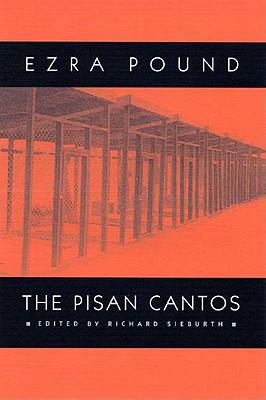
Ezra Pound's The Pisan Cantos was written in 1945, while the poet was being held in an American military detention center near Pisa, Italy, as a result of his pro-Fascist wartime broadcasts to America on Radio Rome. Imprisoned for some weeks in a wire cage open to the elements, Pound suffered a nervous collapse from the physical and emotional strain. Out of the agony of his own inferno came the eleven cantos that became the sixth book of his modernist epic, The Cantos, themselves conceived as a Divine Comedy for our time. The Pisan Cantos were published in 1948 by New Directions and in the following year were awarded the Bollingen Prize for poetry by the Library of Congress. The honor came amid violent controversy, for the dark cloud of treason still hung over Pound, incarcerated in St. Elizabeths Hospital for the Criminally Insane. Yet there is no doubt that The Pisan Cantos displays some of his finest and most affecting writing, marking an elegaic turn to the personal while synthesizing the philosophical and economic political themes of his previous cantos. They are now being published for the first time as a separate paperback, in a fully annotated edition prepared by Richard Sieburth, who also contributes a thoroughgoing introduction, making Pound's master-work fully accessible to students and general readers.
Specificaties
Betrokkenen
- Auteur(s):
- Uitgeverij:
Inhoud
- Aantal bladzijden:
- 192
- Taal:
- Engels
- Reeks:
- Reeksnummer:
- nr. 977
Eigenschappen
- Productcode (EAN):
- 9780811215589
- Verschijningsdatum:
- 17/10/2003
- Uitvoering:
- Paperback
- Formaat:
- Trade paperback (VS)
- Afmetingen:
- 153 mm x 227 mm
- Gewicht:
- 317 g


Alleen bij Standaard Boekhandel
+ 52 punten op je klantenkaart van Standaard Boekhandel
AANGERADEN


Beoordelingen
We publiceren alleen reviews die voldoen aan de voorwaarden voor reviews. Bekijk onze voorwaarden voor reviews.