


- Afhalen na 1 uur in een winkel met voorraad
- Gratis thuislevering in België vanaf € 30
- Ruim aanbod met 7 miljoen producten
- Afhalen na 1 uur in een winkel met voorraad
- Gratis thuislevering in België vanaf € 30
- Ruim aanbod met 7 miljoen producten





€ 69,45
+ 138 punten
Omschrijving
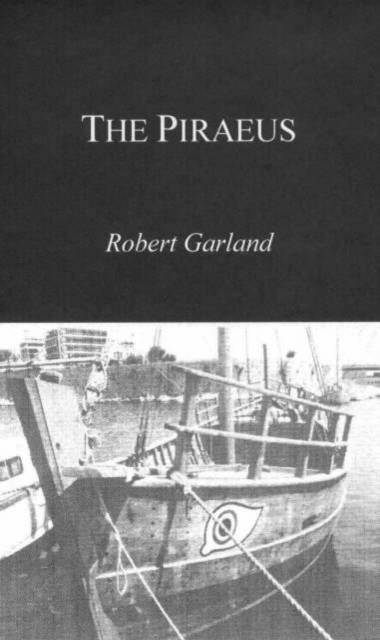
The Piraeus was one of the largest and most impressive ancient ports in the Mediterranean. During the fifth century BC it was laid out on a grid pattern by the urban planner Hippodamos and linked by the Long Walls with the city of Athens, some 8km away. It served as headquarters for the Athenian navy during the time of Athens' Aegean empire. Its emporion or commercial sector handled the bulk of Athenian imports, especially the grain on which the Athenians were wholly dependent. In conventional histories the story of the Piraeus is mostly hidden amidst material centred almost exclusively on Athens herself. Here Garland treats the Piraeus in its own right as an integral yet idiosyncratic component of Attika - one which exercised a decisive influence on Athenian history: its demographic profile linked it indissolubly with radical democracy; its Long Walls enabled Athenian leaders to pursue a policy which abandoned the Attic countryside in favour of a predominantly maritime strategy; later its Macedonian garrison could exercise control over Athens by threatening to cut off her essential imports.Garland analyses the demography of the Piraeus, its separate administrative organisation, its crucial economic and commercial importance, its key strategic and naval role, and its distinctive religious identity. He also traces the layout of the ancient town which lies largely buried beneath its no less vital modern successor.
Specificaties
Betrokkenen
- Auteur(s):
- Uitgeverij:
Inhoud
- Aantal bladzijden:
- 288
- Taal:
- Engels
- Reeks:
Eigenschappen
- Productcode (EAN):
- 9781853996221
- Verschijningsdatum:
- 24/05/2001
- Uitvoering:
- Paperback
- Formaat:
- Trade paperback (VS)
- Afmetingen:
- 138 mm x 218 mm
- Gewicht:
- 362 g


Alleen bij Standaard Boekhandel
+ 138 punten op je klantenkaart van Standaard Boekhandel
Cadeau

AANGERADEN


Beoordelingen
We publiceren alleen reviews die voldoen aan de voorwaarden voor reviews. Bekijk onze voorwaarden voor reviews.