


- Afhalen na 1 uur in een winkel met voorraad
- Gratis thuislevering in België vanaf € 30
- Ruim aanbod met 7 miljoen producten
- Afhalen na 1 uur in een winkel met voorraad
- Gratis thuislevering in België vanaf € 30
- Ruim aanbod met 7 miljoen producten




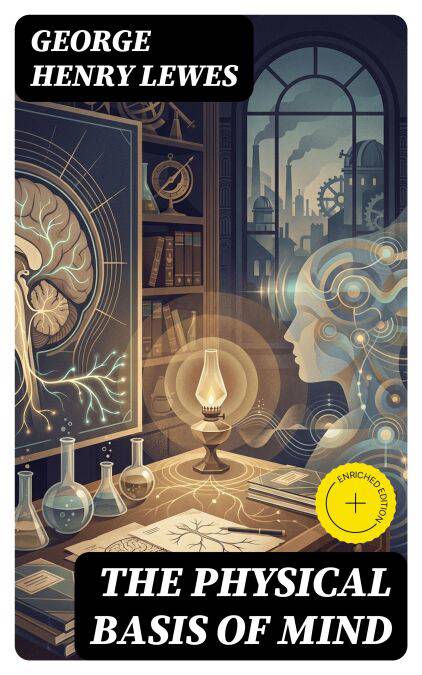
The Physical Basis of Mind E-BOOK
Enriched edition. Being the Second Series of Problems of Life and Mind
George Henry Lewes
E-book | Engels
€ 0,49
Uitvoering
Omschrijving
In "The Physical Basis of Mind," George Henry Lewes embarks on a pioneering exploration of the intricate relationship between the mind and physical processes, navigating the intersections of psychology, philosophy, and neuroscience. Written in the mid-19th century, Lewes's work embodies a thoughtful blend of empiricism and speculation, showcasing his commitment to grounding psychological phenomena in the observable world. His analytical approach addresses various aspects of consciousness, thought, and emotion, making significant contributions to debates surrounding the nature of mental events in relation to bodily functions, thus situating the text within the broader context of Victorian scientific inquiry. Lewes, a prominent figure in the intellectual circles of his time, was deeply influenced by both Romantic ideals and the burgeoning scientific paradigm. His background as a philosopher and literary critic, along with his partnership with novelist George Eliot, provided him with unique insights into human thought and behavior. Lewes's multidisciplinary approach reflects the spirit of inquiry of his era, as he sought to articulate a cohesive framework for understanding the mind that would challenge the prevailing dualistic views of his contemporaries. Readers interested in the origins of modern psychology and the intricate connections between mind and body will find Lewes's work to be both enlightening and provocative. "The Physical Basis of Mind" stands as a significant scholarly resource that invites its audience to engage with foundational concepts in psychology and philosophy, making it essential reading for those keen to understand the evolution of thought surrounding the human experience.
In this enriched edition, we have carefully created added value for your reading experience:
- A succinct Introduction situates the work's timeless appeal and themes.
- The Synopsis outlines the central plot, highlighting key developments without spoiling critical twists.
- A detailed Historical Context immerses you in the era's events and influences that shaped the writing.
- A thorough Analysis dissects symbols, motifs, and character arcs to unearth underlying meanings.
- Reflection questions prompt you to engage personally with the work's messages, connecting them to modern life.
- Hand‐picked Memorable Quotes shine a spotlight on moments of literary brilliance.
- Interactive footnotes clarify unusual references, historical allusions, and archaic phrases for an effortless, more informed read.
In this enriched edition, we have carefully created added value for your reading experience:
- A succinct Introduction situates the work's timeless appeal and themes.
- The Synopsis outlines the central plot, highlighting key developments without spoiling critical twists.
- A detailed Historical Context immerses you in the era's events and influences that shaped the writing.
- A thorough Analysis dissects symbols, motifs, and character arcs to unearth underlying meanings.
- Reflection questions prompt you to engage personally with the work's messages, connecting them to modern life.
- Hand‐picked Memorable Quotes shine a spotlight on moments of literary brilliance.
- Interactive footnotes clarify unusual references, historical allusions, and archaic phrases for an effortless, more informed read.
Specificaties
Betrokkenen
- Auteur(s):
- Uitgeverij:
Inhoud
- Aantal bladzijden:
- 467
- Taal:
- Engels
Eigenschappen
- Productcode (EAN):
- 8596547166399
- Verschijningsdatum:
- 9/08/2022
- Uitvoering:
- E-book
- Beveiligd met:
- Digital watermarking
- Formaat:
- ePub



Alleen bij Standaard Boekhandel
Cadeau

AANGERADEN


Beoordelingen
We publiceren alleen reviews die voldoen aan de voorwaarden voor reviews. Bekijk onze voorwaarden voor reviews.