


- Afhalen na 1 uur in een winkel met voorraad
- Gratis thuislevering in België vanaf € 30
- Ruim aanbod met 7 miljoen producten
- Afhalen na 1 uur in een winkel met voorraad
- Gratis thuislevering in België vanaf € 30
- Ruim aanbod met 7 miljoen producten





€ 259,45
+ 518 punten
Omschrijving
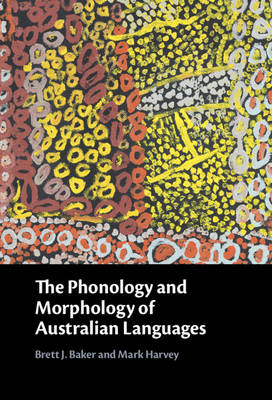
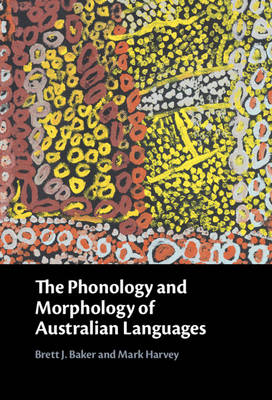
Australian languages form a large genetic group with many interesting and distinctive phonological and morphological properties. Written by two experts in the field, this is the first book-length treatment of this topic, providing an in-depth discussion of a wealth of little-known data on the sound systems and word structures of Australian Indigenous languages. It includes a critical evaluation of theoretical approaches from the 1950s up to the current day, including recent experimental, psycholinguistic and processing-based research. Each chapter addresses a major aspect of phonology, including the segmental inventories, complex phonotactic systems, alternations, prosodic phonology and morphology, the behaviour of phonological domains, and the unusual nature of sound change in Australia. The authors also add to this their own groundbreaking findings, and frame each chapter to inform future phonological research and theory. It is essential reading for scholars and students in phonology, phonetics, speech science, morphology, and language typology.
Specificaties
Betrokkenen
- Auteur(s):
- Uitgeverij:
Inhoud
- Aantal bladzijden:
- 566
- Taal:
- Engels
Eigenschappen
- Productcode (EAN):
- 9781107126985
- Verschijningsdatum:
- 4/12/2025
- Uitvoering:
- Hardcover
- Formaat:
- Genaaid
- Afmetingen:
- 152 mm x 229 mm
- Gewicht:
- 920 g


Alleen bij Standaard Boekhandel
+ 518 punten op je klantenkaart van Standaard Boekhandel
CADEAU

AANGERADEN


Beoordelingen
We publiceren alleen reviews die voldoen aan de voorwaarden voor reviews. Bekijk onze voorwaarden voor reviews.