


- Afhalen na 1 uur in een winkel met voorraad
- Gratis thuislevering in België vanaf € 30
- Ruim aanbod met 7 miljoen producten
- Afhalen na 1 uur in een winkel met voorraad
- Gratis thuislevering in België vanaf € 30
- Ruim aanbod met 7 miljoen producten





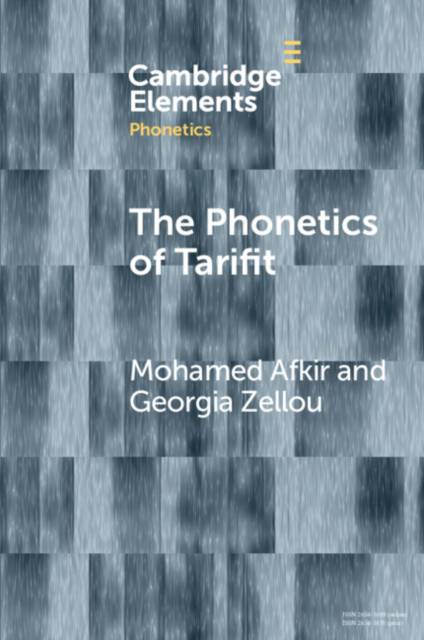
The Phonetics of Tarifit
Variation and Change in a Moroccan Amazigh Language
Mohamed Afkir, Georgia Zellou
€ 36,45
+ 72 punten
Uitvoering
Omschrijving
Tarifit is an Amazigh language spoken in northern Morocco. This Element provides an overview of some aspects of the phonetics of this under-studied language, focusing on patterns of variation and ongoing sound changes. An acoustic analysis of productions by native speakers is provided, comparing clear and fast speaking styles, focusing on the phonetic realization of vowels in Tarifit: three full vowels /a, i, and u/, and variation in the realization of schwa. The analysis reveals phonetically vowelless words in Tarifit: vowelless productions are a rare, but are allowable variants of some words (especially those containing multiple voiceless obstruents). Another ongoing sound change is explored: post-vocalic /r/ deletion. We find higher rates of r-dropping by female speakers. A perception study investigating native speakers' discrimination of words is presented. This Element discusses what the findings have for models of phonetic variation, individual differences in language production, and sound change theory.
Specificaties
Betrokkenen
- Auteur(s):
- Uitgeverij:
Inhoud
- Aantal bladzijden:
- 98
- Taal:
- Engels
- Reeks:
Eigenschappen
- Productcode (EAN):
- 9781009661263
- Verschijningsdatum:
- 5/03/2026
- Uitvoering:
- Paperback
- Formaat:
- Trade paperback (VS)
- Afmetingen:
- 152 mm x 229 mm
- Gewicht:
- 140 g


Alleen bij Standaard Boekhandel
+ 72 punten op je klantenkaart van Standaard Boekhandel
Cadeau

AANGERADEN


Beoordelingen
We publiceren alleen reviews die voldoen aan de voorwaarden voor reviews. Bekijk onze voorwaarden voor reviews.