


- Afhalen na 1 uur in een winkel met voorraad
- Gratis thuislevering in België vanaf € 30
- Ruim aanbod met 7 miljoen producten
- Afhalen na 1 uur in een winkel met voorraad
- Gratis thuislevering in België vanaf € 30
- Ruim aanbod met 7 miljoen producten





€ 36,45
+ 72 punten
Uitvoering
Omschrijving
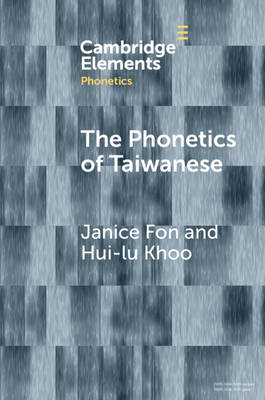
Taiwanese, formerly the lingua franca of Taiwan and currently the second largest language on the island, is genealogically related to Min from the Sino-Tibetan family. Throughout history, it has been influenced by many languages, but only Mandarin has exerted heavy influences on its phonological system. This Element provides an overview of the sound inventory in mainstream Taiwanese, and details its major dialectal differences. In addition, the Element introduces speech materials that could be used for studying the phonetics of Taiwanese, including datasets from both read and spontaneous speech. Based on the data, this Element provides an analysis of Taiwanese phonetics, covering phenomena in consonants, vowels, tones, syllables, and prosody. Some of the results are in line with previous studies, while others imply potential new directions in which the language might be analyzed and might evolve. The Element ends with suggestions for future research lines for the phonetics of the language.
Specificaties
Betrokkenen
- Auteur(s):
- Uitgeverij:
Inhoud
- Aantal bladzijden:
- 88
- Taal:
- Engels
- Reeks:
Eigenschappen
- Productcode (EAN):
- 9781009566827
- Verschijningsdatum:
- 30/01/2025
- Uitvoering:
- Paperback
- Formaat:
- Trade paperback (VS)
- Afmetingen:
- 152 mm x 229 mm
- Gewicht:
- 127 g


Alleen bij Standaard Boekhandel
+ 72 punten op je klantenkaart van Standaard Boekhandel
Cadeau

AANGERADEN


Beoordelingen
We publiceren alleen reviews die voldoen aan de voorwaarden voor reviews. Bekijk onze voorwaarden voor reviews.