



Je cadeautjes zeker op tijd in huis hebben voor de feestdagen? Kom langs in onze winkels en vind het perfecte geschenk!
- Afhalen na 1 uur in een winkel met voorraad
- Gratis thuislevering in België vanaf € 30
- Ruim aanbod met 7 miljoen producten
Je cadeautjes zeker op tijd in huis hebben voor de feestdagen? Kom langs in onze winkels en vind het perfecte geschenk!
- Afhalen na 1 uur in een winkel met voorraad
- Gratis thuislevering in België vanaf € 30
- Ruim aanbod met 7 miljoen producten





€ 152,95
+ 305 punten
Uitvoering
Omschrijving
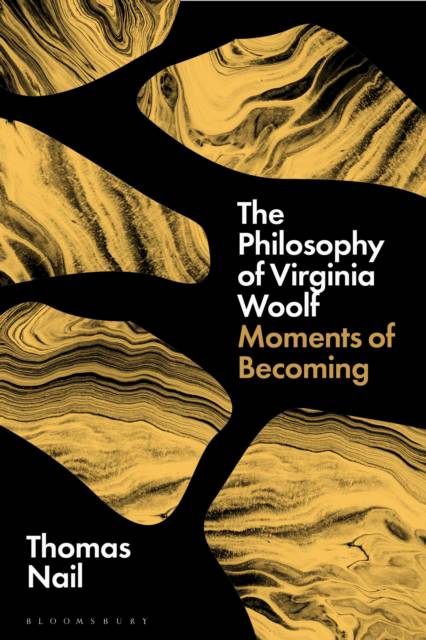
Towards the end of her life, Virginia Woolf defined her "philosophy"-the "constant idea" that "makes her a writer." She wrote that this idea had given her "the strongest pleasure known to [her]." She called these "exceptional moments," or "moments of being."
Thomas Nail contends that Woolf is a philosopher of being. And these "moments of being" as forming a unique process philosophy of motion. In her description of these moments Woolf gives us access to a world in motion and process; where all of nature and matter flows, ripples, and quivers. In these moments the anthropocentric division between humans and nature dissolves into metastable patterns-without essences or vital forces. Matter becomes dynamic, and what originally appeared solid is perceived as woven, porous, and fluid.
The Philosophy of Virginia Woolfbeginsby defining the basic idea of the moment of being, why it is important and how to understand it and its philosophical implications. It recounts a series of 14 'moments' each of which explores an aspect of Woolf's philosophy. They show how the moments evolve and articulate Woolf's process philosophy of movement. Each moment reveals unique aspects of how moments work and the kind of philosophical vision Woolf held. Nail concludes by addressing some of the ethical and political consequences of these moments in Woolf 's thinking. In the end, the book contends that Woolf offers us an absolutely unique philosophical and aesthetic understanding of phenomena, including nature, culture, desire, gender, writing/reading, consciousness, art, ecology, and sensation. Itshows that Woolf is a philosopher in her own right, and held a unique philosophical position that makes a unique contribution to how to think in the world.
Thomas Nail contends that Woolf is a philosopher of being. And these "moments of being" as forming a unique process philosophy of motion. In her description of these moments Woolf gives us access to a world in motion and process; where all of nature and matter flows, ripples, and quivers. In these moments the anthropocentric division between humans and nature dissolves into metastable patterns-without essences or vital forces. Matter becomes dynamic, and what originally appeared solid is perceived as woven, porous, and fluid.
The Philosophy of Virginia Woolfbeginsby defining the basic idea of the moment of being, why it is important and how to understand it and its philosophical implications. It recounts a series of 14 'moments' each of which explores an aspect of Woolf's philosophy. They show how the moments evolve and articulate Woolf's process philosophy of movement. Each moment reveals unique aspects of how moments work and the kind of philosophical vision Woolf held. Nail concludes by addressing some of the ethical and political consequences of these moments in Woolf 's thinking. In the end, the book contends that Woolf offers us an absolutely unique philosophical and aesthetic understanding of phenomena, including nature, culture, desire, gender, writing/reading, consciousness, art, ecology, and sensation. Itshows that Woolf is a philosopher in her own right, and held a unique philosophical position that makes a unique contribution to how to think in the world.
Specificaties
Betrokkenen
- Auteur(s):
- Uitgeverij:
Inhoud
- Aantal bladzijden:
- 296
- Taal:
- Engels
Eigenschappen
- Productcode (EAN):
- 9781350526068
- Verschijningsdatum:
- 29/05/2025
- Uitvoering:
- Hardcover
- Formaat:
- Genaaid
- Afmetingen:
- 156 mm x 234 mm
- Gewicht:
- 589 g


Alleen bij Standaard Boekhandel
+ 305 punten op je klantenkaart van Standaard Boekhandel
CADEAU


Beoordelingen
We publiceren alleen reviews die voldoen aan de voorwaarden voor reviews. Bekijk onze voorwaarden voor reviews.