


- Afhalen na 1 uur in een winkel met voorraad
- Gratis thuislevering in België vanaf € 30
- Ruim aanbod met 7 miljoen producten
- Afhalen na 1 uur in een winkel met voorraad
- Gratis thuislevering in België vanaf € 30
- Ruim aanbod met 7 miljoen producten





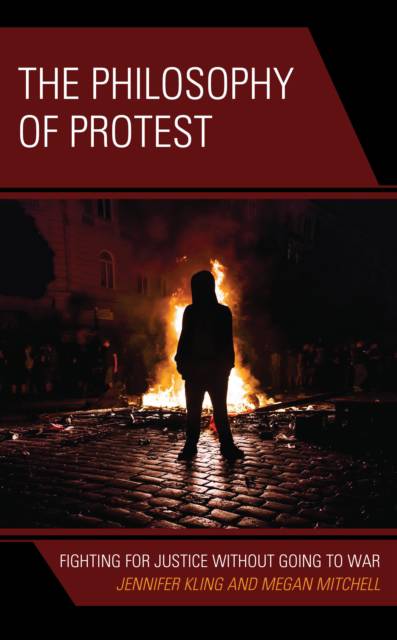
The Philosophy of Protest
Fighting for Justice Without Going to War
Jennifer Kling, Megan Mitchell
Hardcover | Engels
€ 186,95
+ 373 punten
Omschrijving
Protest is a critical part of the contemporary political landscape. Despite the prevalence of protest as a real-world practice, most liberal political theory limits its focus on protest to ideal conditions. This book takes up the question of how to think about protest, from within the context of liberal political theory, in the face of serious, substantial, ongoing, and actual injustices--in short, a theory of protest for our world. What can or must protest include? What, if anything, must it avoid? Against much of the popular discourse, the authors defend the view that suitably constrained violent political protest is sometimes justified. Violent political protest is not simply revolution by any other name--it's a last-ditch effort to remedy injustice without going to war.
Specificaties
Betrokkenen
- Auteur(s):
- Uitgeverij:
Inhoud
- Aantal bladzijden:
- 182
- Taal:
- Engels
Eigenschappen
- Productcode (EAN):
- 9781786613202
- Verschijningsdatum:
- 9/11/2021
- Uitvoering:
- Hardcover
- Formaat:
- Genaaid
- Afmetingen:
- 140 mm x 216 mm
- Gewicht:
- 381 g



Alleen bij Standaard Boekhandel
+ 373 punten op je klantenkaart van Standaard Boekhandel
Cadeau

AANGERADEN


Beoordelingen
We publiceren alleen reviews die voldoen aan de voorwaarden voor reviews. Bekijk onze voorwaarden voor reviews.