


- Afhalen na 1 uur in een winkel met voorraad
- Gratis thuislevering in België vanaf € 30
- Ruim aanbod met 7 miljoen producten
- Afhalen na 1 uur in een winkel met voorraad
- Gratis thuislevering in België vanaf € 30
- Ruim aanbod met 7 miljoen producten





€ 81,45
+ 162 punten
Uitvoering
Eenvoudig bestellen
Veilig betalen


Gratis thuislevering vanaf € 30 (via bpost)
Gratis levering in je Standaard Boekhandel
Omschrijving
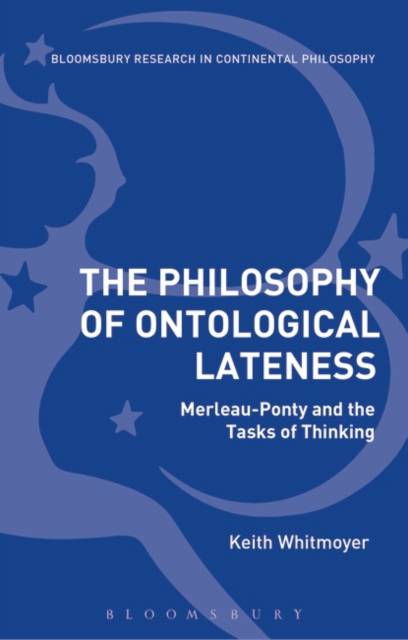
Addressing Merleau-Ponty's work Phenomenology of Perception, in dialogue with The Visible and the Invisible, his lectures at the Collège de France, and his reading of Proust, this book argues that at play in his thought is a philosophy of "ontological lateness". This describes the manner in which philosophical reflection is fated to lag behind its objects; therefore an absolute grasp on being remains beyond its reach.
Merleau-Ponty articulates this philosophy against the backdrop of what he calls "cruel thought", a style of reflecting that seeks resolution by limiting, circumscribing, and arresting its object. By contrast, the philosophy of ontological lateness seeks no such finality-no apocalypsis or unveiling-but is characterized by its ability to accept the veiling of being and its own constitutive lack of punctuality. To this extent, his thinking inaugurates a new relation to the becoming of sense that overcomes cruel thought. Merleau-Ponty's work gives voice to a wisdom of dispossession that allows for the withdrawal of being. Never before has anyone engaged with the theme of Merleau-Ponty's own understanding of philosophy in such a sustained way as Whitmoyer does in this volume.Specificaties
Betrokkenen
- Auteur(s):
- Uitgeverij:
Inhoud
- Aantal bladzijden:
- 224
- Taal:
- Engels
- Reeks:
Eigenschappen
- Productcode (EAN):
- 9781350105706
- Verschijningsdatum:
- 21/03/2019
- Uitvoering:
- Paperback
- Formaat:
- Trade paperback (VS)
- Afmetingen:
- 156 mm x 234 mm
- Gewicht:
- 317 g



Alleen bij Standaard Boekhandel
+ 162 punten op je klantenkaart van Standaard Boekhandel
CADEAU

AANGERADEN


Beoordelingen
We publiceren alleen reviews die voldoen aan de voorwaarden voor reviews. Bekijk onze voorwaarden voor reviews.