


- Afhalen na 1 uur in een winkel met voorraad
- Gratis thuislevering in België vanaf € 30
- Ruim aanbod met 7 miljoen producten
- Afhalen na 1 uur in een winkel met voorraad
- Gratis thuislevering in België vanaf € 30
- Ruim aanbod met 7 miljoen producten





€ 0,99
Uitvoering
Eenvoudig bestellen
Veilig betalen


Onmiddellijk geleverd via e-mail
Omschrijving
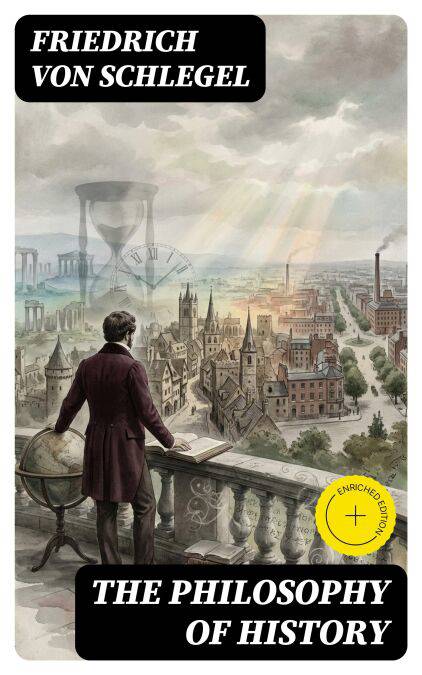
In "The Philosophy of History," Friedrich von Schlegel intricately weaves a narrative exploring the evolution of human consciousness and cultural paradigms through history. Employing a dialectical style that combines Romantic sensibilities with deep philosophical inquiry, Schlegel delves into the interplay between individual agency and collective momentum. His text serves not only as a historical analysis but also as a reflection on the meaning of history itself, thus situating it within the broader intellectual currents of the early 19th century, where Enlightenment ideals began to recede in favor of Romanticist emphasis on emotion, intuition, and the subjective experience of time. Friedrich von Schlegel, a prominent figure in German Romanticism, was deeply influenced by the intellectual and cultural upheavals of his time. His engagement with diverse philosophical traditions, including German idealism and Eastern thought, informed his pursuit to reconcile history with the human spirit. Schlegel's experiences as a poet, critic, and philosopher enriched his perspective, allowing him to argue for a more interconnected understanding of time and history, reflecting humanity's ongoing quest for identity and meaning amidst chaos. "The Philosophy of History" is an essential read for anyone interested in the intersections of philosophy, history, and literature. Schlegel's articulate prose and profound insights challenge readers to reconsider their understanding of historical narratives and their implications on contemporary society. It is a compelling invitation to explore the depths of human experience against the backdrop of evolving time.
In this enriched edition, we have carefully created added value for your reading experience:
- A succinct Introduction situates the work's timeless appeal and themes.
- The Synopsis outlines the central plot, highlighting key developments without spoiling critical twists.
- A detailed Historical Context immerses you in the era's events and influences that shaped the writing.
- A thorough Analysis dissects symbols, motifs, and character arcs to unearth underlying meanings.
- Reflection questions prompt you to engage personally with the work's messages, connecting them to modern life.
- Hand‐picked Memorable Quotes shine a spotlight on moments of literary brilliance.
- Interactive footnotes clarify unusual references, historical allusions, and archaic phrases for an effortless, more informed read.
In this enriched edition, we have carefully created added value for your reading experience:
- A succinct Introduction situates the work's timeless appeal and themes.
- The Synopsis outlines the central plot, highlighting key developments without spoiling critical twists.
- A detailed Historical Context immerses you in the era's events and influences that shaped the writing.
- A thorough Analysis dissects symbols, motifs, and character arcs to unearth underlying meanings.
- Reflection questions prompt you to engage personally with the work's messages, connecting them to modern life.
- Hand‐picked Memorable Quotes shine a spotlight on moments of literary brilliance.
- Interactive footnotes clarify unusual references, historical allusions, and archaic phrases for an effortless, more informed read.
Specificaties
Betrokkenen
- Auteur(s):
- Uitgeverij:
Inhoud
- Aantal bladzijden:
- 400
- Taal:
- Engels
Eigenschappen
- Productcode (EAN):
- 8596547398301
- Verschijningsdatum:
- 12/11/2022
- Uitvoering:
- E-book
- Beveiligd met:
- Digital watermarking
- Formaat:
- ePub



Alleen bij Standaard Boekhandel
CADEAU

AANGERADEN


Beoordelingen
We publiceren alleen reviews die voldoen aan de voorwaarden voor reviews. Bekijk onze voorwaarden voor reviews.