


- Afhalen na 1 uur in een winkel met voorraad
- Gratis thuislevering in België vanaf € 30
- Ruim aanbod met 7 miljoen producten
- Afhalen na 1 uur in een winkel met voorraad
- Gratis thuislevering in België vanaf € 30
- Ruim aanbod met 7 miljoen producten





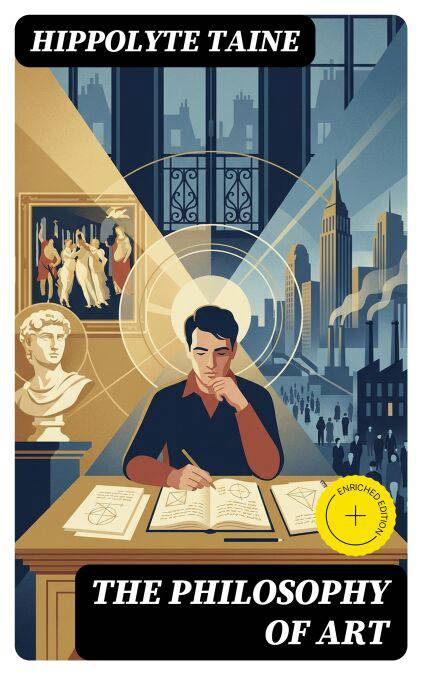
The Philosophy of Art E-BOOK
Enriched edition. A 19th-Century Inquiry into Aesthetics, Culture, Society, and the Forces Shaping Artistic Expression
Hippolyte Taine
E-book | Engels
€ 0,49
Uitvoering
Omschrijving
In "The Philosophy of Art," Hippolyte Taine undertakes a meticulous exploration of the nature and purpose of art through the lens of philosophy and historical context. Taine engages with the societal influences on artistic expression, melding aesthetic theory with a nuanced understanding of cultural evolution. His literary style is characterized by analytical rigor and literary eloquence, placing him within the tradition of 19th-century intellectual discourse, particularly influenced by French positivism and idealism, which sought to rationalize artistic phenomena against the backdrop of empirical knowledge. Hippolyte Taine, a prominent French critic and historian, is well-known for his insights into literature and art, drawn from his intimate engagement with the philosophical discourses of his time. His diverse academic background, which included a focus on history, literature, and philosophy, equipped him with a comprehensive framework to critically analyze the mechanisms of artistic creation. Through personal experience and travel, Taine developed a keen sensitivity to the interplay between art, culture, and society that is evident in this work. For scholars, artists, and anyone intrigued by the complexities of creativity, "The Philosophy of Art" offers a profound examination that transcends mere appreciation of art, inviting readers to engage in deeper discourse about the role of culture in shaping artistic endeavors. This book is an indispensable resource for understanding the philosophical underpinnings that link art with human experience.
In this enriched edition, we have carefully created added value for your reading experience:
- A succinct Introduction situates the work's timeless appeal and themes.
- The Synopsis outlines the central plot, highlighting key developments without spoiling critical twists.
- A detailed Historical Context immerses you in the era's events and influences that shaped the writing.
- An Author Biography reveals milestones in the author's life, illuminating the personal insights behind the text.
- A thorough Analysis dissects symbols, motifs, and character arcs to unearth underlying meanings.
- Reflection questions prompt you to engage personally with the work's messages, connecting them to modern life.
- Hand‐picked Memorable Quotes shine a spotlight on moments of literary brilliance.
- Interactive footnotes clarify unusual references, historical allusions, and archaic phrases for an effortless, more informed read.
In this enriched edition, we have carefully created added value for your reading experience:
- A succinct Introduction situates the work's timeless appeal and themes.
- The Synopsis outlines the central plot, highlighting key developments without spoiling critical twists.
- A detailed Historical Context immerses you in the era's events and influences that shaped the writing.
- An Author Biography reveals milestones in the author's life, illuminating the personal insights behind the text.
- A thorough Analysis dissects symbols, motifs, and character arcs to unearth underlying meanings.
- Reflection questions prompt you to engage personally with the work's messages, connecting them to modern life.
- Hand‐picked Memorable Quotes shine a spotlight on moments of literary brilliance.
- Interactive footnotes clarify unusual references, historical allusions, and archaic phrases for an effortless, more informed read.
Specificaties
Betrokkenen
- Auteur(s):
- Vertaler(s):
- Uitgeverij:
Inhoud
- Aantal bladzijden:
- 212
- Taal:
- Engels
Eigenschappen
- Productcode (EAN):
- 8596547047438
- Verschijningsdatum:
- 1/06/2022
- Uitvoering:
- E-book
- Beveiligd met:
- Digital watermarking
- Formaat:
- ePub


Alleen bij Standaard Boekhandel
Cadeau

AANGERADEN


Beoordelingen
We publiceren alleen reviews die voldoen aan de voorwaarden voor reviews. Bekijk onze voorwaarden voor reviews.