



Je cadeautjes zeker op tijd in huis hebben voor de feestdagen? Kom langs in onze winkels en vind het perfecte geschenk!
- Afhalen na 1 uur in een winkel met voorraad
- Gratis thuislevering in België vanaf € 30
- Ruim aanbod met 7 miljoen producten
Je cadeautjes zeker op tijd in huis hebben voor de feestdagen? Kom langs in onze winkels en vind het perfecte geschenk!
- Afhalen na 1 uur in een winkel met voorraad
- Gratis thuislevering in België vanaf € 30
- Ruim aanbod met 7 miljoen producten





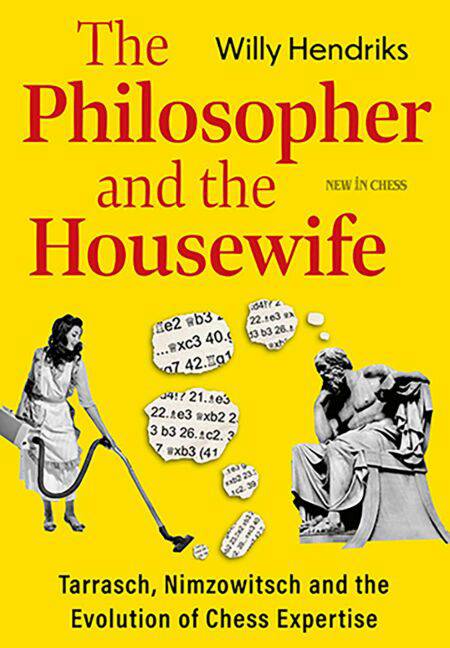
The Philosopher And The Housewife E-BOOK
Tarrasch, Nimzowitsch and the Evolution of Chess
Willy Hendriks
E-book | Engels
€ 24,59
+ 24 punten
Uitvoering
Omschrijving
Siegbert Tarrasch and Aron Nimzowitsch could be called the two vainest chess players in history. This book tells the fascinating story of their lifelong rivalry. They clashed as personalities, as players and as chess writers, both searching for the truth in chess, but with very different perspectives. Tarrasch is seen as the dogmatic theorist and, according to Nimzowitsch, didn't offer much more than the well-meaning advice of a housewife. Nimzowitsch is the philosopher, the designer of a complete system; that explains everything there is to know about chess to future generations of students.
Does chess history treat these giants fairly or are they mere caricatures? And what was the role of the third protagonist in this debate, Semyon Alapin, whom Nimzowitsch condescendingly called ‘an artist of variations’? These questions, and these different viewpoints, are at the heart of this in-depth investigation.
Hendriks offers a wonderful and often highly entertaining look at this great controversy. The many chess fragments nicely illustrate how our expertise has evolved in this turbulent period of chess history.
Does chess history treat these giants fairly or are they mere caricatures? And what was the role of the third protagonist in this debate, Semyon Alapin, whom Nimzowitsch condescendingly called ‘an artist of variations’? These questions, and these different viewpoints, are at the heart of this in-depth investigation.
Hendriks offers a wonderful and often highly entertaining look at this great controversy. The many chess fragments nicely illustrate how our expertise has evolved in this turbulent period of chess history.
Specificaties
Betrokkenen
- Auteur(s):
- Uitgeverij:
Inhoud
- Aantal bladzijden:
- 392
- Taal:
- Engels
Eigenschappen
- Productcode (EAN):
- 9789083483399
- Verschijningsdatum:
- 28/01/2025
- Uitvoering:
- E-book
- Beveiligd met:
- Adobe DRM
- Formaat:
- ePub


Alleen bij Standaard Boekhandel
+ 24 punten op je klantenkaart van Standaard Boekhandel
CADEAU


Beoordelingen
We publiceren alleen reviews die voldoen aan de voorwaarden voor reviews. Bekijk onze voorwaarden voor reviews.