


- Afhalen na 1 uur in een winkel met voorraad
- Gratis thuislevering in België vanaf € 30
- Ruim aanbod met 7 miljoen producten
- Afhalen na 1 uur in een winkel met voorraad
- Gratis thuislevering in België vanaf € 30
- Ruim aanbod met 7 miljoen producten





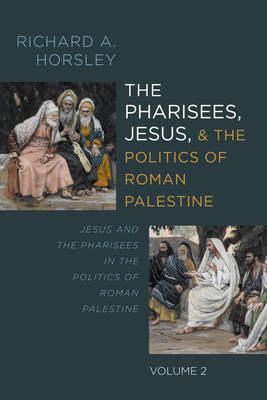
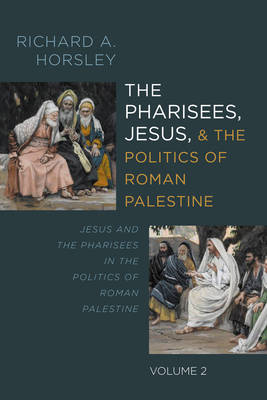
The Pharisees, Jesus, and the Politics of Roman Palestine, Volume 2
Jesus and the Pharisees in the Politics of Roman Palestine
Richard A Horsley
Paperback | Engels
€ 62,45
+ 124 punten
Uitvoering
Omschrijving
Volume 2, Jesus and the Pharisees in the Politics of Roman Palestine, continues to avoid the synthetic constructs in the fields of biblical studies and ancient Jewish history that obscure the increasingly complex historical context. Mostly overlooked or ignored was the dominant political-economic-religious conflict between the multiple layers of Roman, Herodian, and high priestly rulers and the vast majority of Judean and other Israelite people. The dominant conflict was further complicated by particular popular and dissident scribal movements and widespread popular revolts--in 40-37 BCE, 4 BCE, and again in 66-70 CE--in reaction to the rulers' repeated conquests and exploitation. Through a broader, more historical approach it can be discerned that the Gospel stories are rooted in Israelite popular tradition, and that the conflict with the Pharisees reflects the differences between the Judean scribal tradition that had been cultivated by the Pharisees and others and the Israelite popular tradition cultivated in village communities, which were the sites of Jesus' teaching, focused on renewal of the Mosaic covenant that had guided Israelite village life for generations.
Specificaties
Betrokkenen
- Auteur(s):
- Uitgeverij:
Inhoud
- Aantal bladzijden:
- 374
- Taal:
- Engels
Eigenschappen
- Productcode (EAN):
- 9798385221721
- Verschijningsdatum:
- 6/11/2025
- Uitvoering:
- Paperback
- Formaat:
- Trade paperback (VS)
- Afmetingen:
- 152 mm x 229 mm
- Gewicht:
- 498 g


Alleen bij Standaard Boekhandel
+ 124 punten op je klantenkaart van Standaard Boekhandel
Cadeau

AANGERADEN


Beoordelingen
We publiceren alleen reviews die voldoen aan de voorwaarden voor reviews. Bekijk onze voorwaarden voor reviews.