


- Afhalen na 1 uur in een winkel met voorraad
- Gratis thuislevering in België vanaf € 30
- Ruim aanbod met 7 miljoen producten
- Afhalen na 1 uur in een winkel met voorraad
- Gratis thuislevering in België vanaf € 30
- Ruim aanbod met 7 miljoen producten





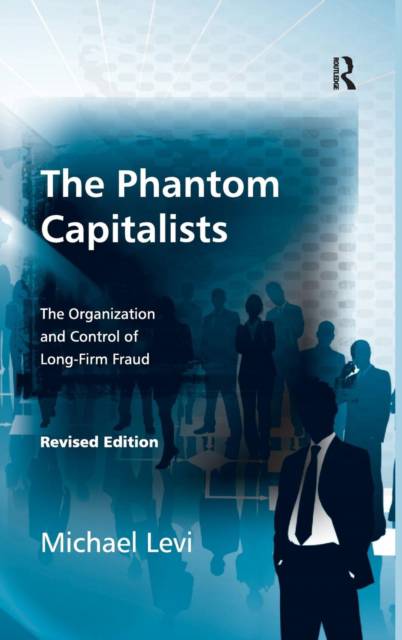
The Phantom Capitalists
The Organization and Control of Long-Firm Fraud
Michael Levi
Hardcover | Engels
€ 343,45
+ 686 punten
Uitvoering
Eenvoudig bestellen
Veilig betalen


Gratis thuislevering vanaf € 30 (via bpost)
Gratis levering in je Standaard Boekhandel
Omschrijving
This book analyzes how and why people become involved in long-firm (planned bankruptcy) fraud, the links between long-firm fraud and other crimes, the links between bankruptcy fraudsters and other professional and organized criminals, the techniques that fraudsters use, and the social and commercial relationships that exist within the operational world of the long-firm fraudster.
Specificaties
Betrokkenen
- Auteur(s):
- Uitgeverij:
Inhoud
- Aantal bladzijden:
- 440
- Taal:
- Engels
Eigenschappen
- Productcode (EAN):
- 9780754645160
- Verschijningsdatum:
- 28/03/2008
- Uitvoering:
- Hardcover
- Formaat:
- Genaaid
- Afmetingen:
- 156 mm x 234 mm
- Gewicht:
- 793 g


Alleen bij Standaard Boekhandel
+ 686 punten op je klantenkaart van Standaard Boekhandel
CADEAU

AANGERADEN


Beoordelingen
We publiceren alleen reviews die voldoen aan de voorwaarden voor reviews. Bekijk onze voorwaarden voor reviews.