


- Afhalen na 1 uur in een winkel met voorraad
- Gratis thuislevering in België vanaf € 30
- Ruim aanbod met 7 miljoen producten
- Afhalen na 1 uur in een winkel met voorraad
- Gratis thuislevering in België vanaf € 30
- Ruim aanbod met 7 miljoen producten





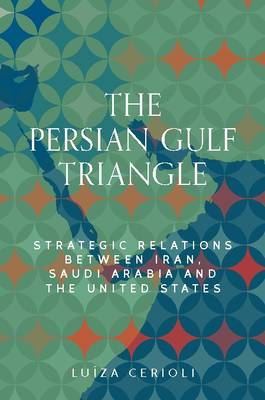
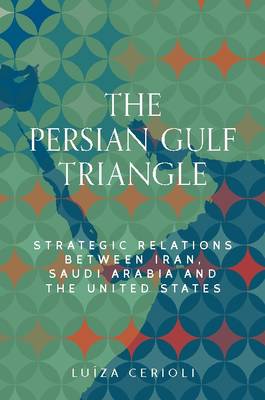
The Persian Gulf triangle
Strategic relations between Iran, Saudi Arabia and the United States
Luiza Cerioli
€ 43,45
+ 86 punten
Uitvoering
Eenvoudig bestellen
Veilig betalen


Gratis thuislevering vanaf € 30 (via bpost)
Gratis levering in je Standaard Boekhandel
Omschrijving
This book offers a nuanced snapshot of the complex geopolitical dynamics in the Persian Gulf, underlining the interaction between Iran, Saudi Arabia, and the US. Examining their interwoven relations since the 1970s, Luíza Cerioli's framework reveals how changes in US-Saudi ties have ripple effects on Iran-US and Iran-Saudi relations and vice versa. Using a historical lens, she explores how enduring US-Saudi connections hinge on order expectations, delves into the cognitive factors shaping US-Iran enmity and traces the source of oscillation in the Saudi-Iran ties. Employing Neoclassical Realism, the book investigates status-seeking, national identities and leadership preferences, offering a deeper understanding of the region's multipolar system. By combining International Relations and Middle East Studies, Cerioli's work contributes to both fields, unravelling the intricate interplay between international structures, regional nuances and agency in shaping Persian Gulf geopolitics.
Specificaties
Betrokkenen
- Auteur(s):
- Uitgeverij:
Inhoud
- Aantal bladzijden:
- 248
- Taal:
- Engels
- Reeks:
Eigenschappen
- Productcode (EAN):
- 9781526198051
- Verschijningsdatum:
- 23/06/2026
- Uitvoering:
- Paperback
- Formaat:
- Trade paperback (VS)
- Afmetingen:
- 156 mm x 234 mm
- Gewicht:
- 353 g


Alleen bij Standaard Boekhandel
+ 86 punten op je klantenkaart van Standaard Boekhandel
CADEAU

AANGERADEN


Beoordelingen
We publiceren alleen reviews die voldoen aan de voorwaarden voor reviews. Bekijk onze voorwaarden voor reviews.