


- Afhalen na 1 uur in een winkel met voorraad
- Gratis thuislevering in België vanaf € 30
- Ruim aanbod met 7 miljoen producten
- Afhalen na 1 uur in een winkel met voorraad
- Gratis thuislevering in België vanaf € 30
- Ruim aanbod met 7 miljoen producten





€ 169,95
+ 339 punten
Omschrijving
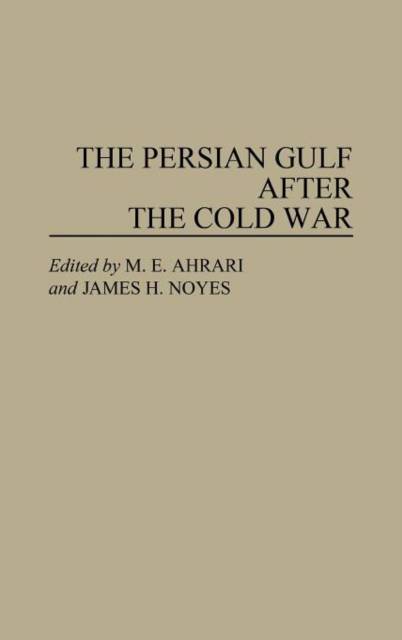
This is a comprehensive examination of the strategic affairs of the Persian Gulf since the Gulf War of 1991. The authors conclude that the arms race in the Persian Gulf should be controlled, but maintain it is likely to continue because of the clashing strategic perspectives of Saudi Arabia and Iran, and because of the sustained willingness of all major suppliers to find new revenue sources for their declining defense industries in the post-Cold War decade. They also argue that the U.S. should not adopt a policy of isolating or ignoring Iran in its endeavors to find security arrangements in the Persian Gulf, and that a weakened Iraq has become a major source of instability in the Persian Gulf.
Specificaties
Betrokkenen
- Auteur(s):
- Uitgeverij:
Inhoud
- Aantal bladzijden:
- 264
- Taal:
- Engels
Eigenschappen
- Productcode (EAN):
- 9780275944575
- Verschijningsdatum:
- 30/10/1993
- Uitvoering:
- Hardcover
- Formaat:
- Genaaid
- Afmetingen:
- 156 mm x 234 mm
- Gewicht:
- 544 g


Alleen bij Standaard Boekhandel
+ 339 punten op je klantenkaart van Standaard Boekhandel
Cadeau

AANGERADEN


Beoordelingen
We publiceren alleen reviews die voldoen aan de voorwaarden voor reviews. Bekijk onze voorwaarden voor reviews.