


- Afhalen na 1 uur in een winkel met voorraad
- Gratis thuislevering in België vanaf € 30
- Ruim aanbod met 7 miljoen producten
- Afhalen na 1 uur in een winkel met voorraad
- Gratis thuislevering in België vanaf € 30
- Ruim aanbod met 7 miljoen producten





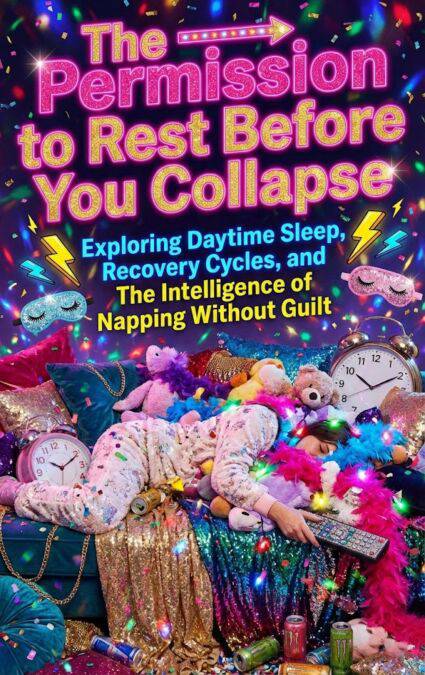
The Permission to Rest Before You Collapse E-BOOK
Exploring Daytime Sleep, Recovery Cycles, and The Intelligence of Napping Without Guilt
Sarah Whitfield
E-book | Engels
€ 7,99
+ 7 punten
Omschrijving
You feel the afternoon dip—focus blurs, energy drains, thoughts slow. But instead of resting, you push through with caffeine, stimulation, force. Napping feels indulgent, lazy, something only children or the unproductive do. So you power past exhaustion, believing rest is something earned after productivity, not the foundation for it.
This book explores napping not as weakness, but as strategic recovery aligned with natural biological rhythms. It examines sleep pressure, ultradian cycles, the difference between exhaustion and the body's natural energy dips, and the cost of chronic sleep debt compounded by refusing daytime rest. It looks at the science behind short sleep windows, how different nap durations affect cognition and mood, and the relief of working with your body's rhythms instead of overriding them.
Rather than prescribing rigid sleep schedules or productivity hacks, this book reframes rest as maintenance, not reward. It explores timing, sleep inertia, the difference between napping and avoidance, sustainable energy management, and the quiet strength of honoring fatigue before it forces shutdown. It examines guilt around rest, cultural narratives that equate constant activity with worth, and permission to recover before depletion becomes crisis.
For anyone running on fumes, feeling guilty for needing rest, or stuck in cycles of exhaustion and stimulant dependence—this book offers insight into the biology of daytime recovery, permission to nap without justification, and clarity about rest as intelligent self-regulation, not laziness.
This book explores napping not as weakness, but as strategic recovery aligned with natural biological rhythms. It examines sleep pressure, ultradian cycles, the difference between exhaustion and the body's natural energy dips, and the cost of chronic sleep debt compounded by refusing daytime rest. It looks at the science behind short sleep windows, how different nap durations affect cognition and mood, and the relief of working with your body's rhythms instead of overriding them.
Rather than prescribing rigid sleep schedules or productivity hacks, this book reframes rest as maintenance, not reward. It explores timing, sleep inertia, the difference between napping and avoidance, sustainable energy management, and the quiet strength of honoring fatigue before it forces shutdown. It examines guilt around rest, cultural narratives that equate constant activity with worth, and permission to recover before depletion becomes crisis.
For anyone running on fumes, feeling guilty for needing rest, or stuck in cycles of exhaustion and stimulant dependence—this book offers insight into the biology of daytime recovery, permission to nap without justification, and clarity about rest as intelligent self-regulation, not laziness.
Specificaties
Betrokkenen
- Auteur(s):
- Uitgeverij:
Inhoud
- Aantal bladzijden:
- 179
- Taal:
- Engels
Eigenschappen
- Productcode (EAN):
- 9783565200870
- Verschijningsdatum:
- 26/01/2026
- Uitvoering:
- E-book
- Formaat:
- ePub


Alleen bij Standaard Boekhandel
+ 7 punten op je klantenkaart van Standaard Boekhandel
AANGERADEN


Beoordelingen
We publiceren alleen reviews die voldoen aan de voorwaarden voor reviews. Bekijk onze voorwaarden voor reviews.