


- Afhalen na 1 uur in een winkel met voorraad
- Gratis thuislevering in België vanaf € 30
- Ruim aanbod met 7 miljoen producten
- Afhalen na 1 uur in een winkel met voorraad
- Gratis thuislevering in België vanaf € 30
- Ruim aanbod met 7 miljoen producten





€ 25,00
+ 50 punten
Eenvoudig bestellen
Veilig betalen


Gratis thuislevering vanaf € 30 (via bpost)
Gratis levering in je Standaard Boekhandel
Omschrijving
Published with vis-à-vis.
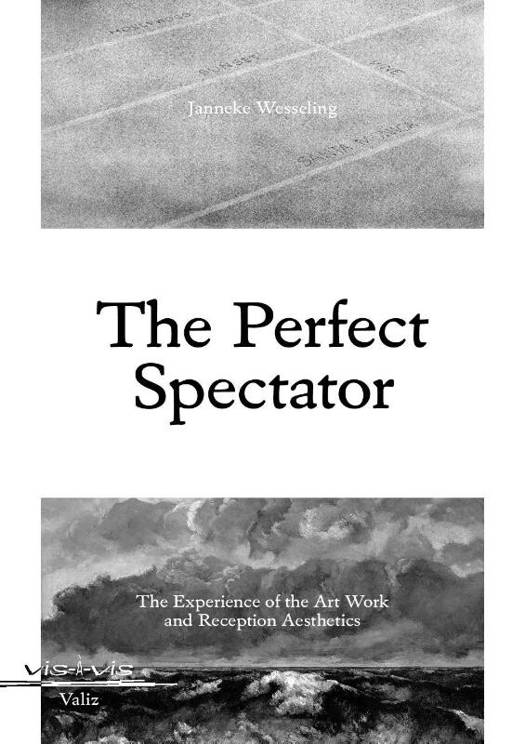
What really happens between a spectator and a work of art at the moment of encounter? How does one experience "meaning" in a work of art? How does an interpretation of an art object come to take hold for a viewer? How can that process of interpretation, which often takes place at a subconscious level beyond language, be understood and articulated? In The Perfect Spectator, author Janneke Wesseling, Professor of Visual Arts at Leiden University in the Netherlands, addresses these questions by turning to the field of reception aesthetics, with its central premise that the contemplation of art is a matter of interaction between an active artwork and an active observer. Wesseling proceeds from her own intensely personal encounters with art objects, and her professional experience studying and writing about art, in order to arrive at a new theoretical framework for the sight and contemplation of art.Specificaties
Betrokkenen
- Auteur(s):
- Uitgeverij:
Inhoud
- Aantal bladzijden:
- 256
- Taal:
- Engels
- Reeks:
Eigenschappen
- Productcode (EAN):
- 9789080818507
- Verschijningsdatum:
- 24/10/2017
- Uitvoering:
- Paperback
- Formaat:
- Trade paperback (VS)
- Afmetingen:
- 165 mm x 234 mm
- Gewicht:
- 521 g


Alleen bij Standaard Boekhandel
+ 50 punten op je klantenkaart van Standaard Boekhandel
CADEAU

AANGERADEN


Beoordelingen
We publiceren alleen reviews die voldoen aan de voorwaarden voor reviews. Bekijk onze voorwaarden voor reviews.