


- Afhalen na 1 uur in een winkel met voorraad
- Gratis thuislevering in België vanaf € 30
- Ruim aanbod met 7 miljoen producten
- Afhalen na 1 uur in een winkel met voorraad
- Gratis thuislevering in België vanaf € 30
- Ruim aanbod met 7 miljoen producten





€ 2,99
+ 2 punten
Eenvoudig bestellen
Veilig betalen


Onmiddellijk geleverd via e-mail
Omschrijving
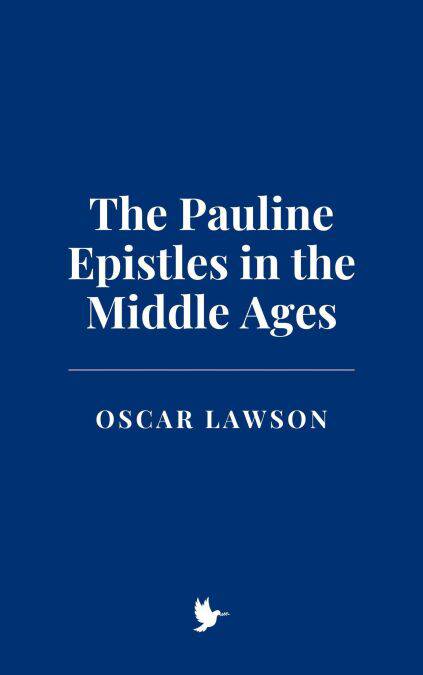
The Pauline Epistles, letters attributed to Saint Paul, have been foundational to Christian theology and ecclesiastical practice throughout history. In the Middle Ages, these epistles were not merely seen as sacred texts, but as critical documents through which Christian thinkers engaged with some of the most profound questions about salvation, grace, law, and the nature of the Church. To understand the significance of the Pauline Epistles in medieval thought, one must first grasp the historical and theological contexts in which these texts were read, studied, and commented upon by the scholars of the period.
The way that Paul's letters were read and interpreted in the Middle Ages cannot be fully understood without considering the political and theological conflicts that characterized the period. One of the most significant of these was the controversy surrounding the relationship between faith and works. The Pauline Epistles, especially Galatians and Romans, were central to the medieval debates over the nature of salvation. Augustine's interpretation of Paul's doctrine of grace and original sin dominated much of medieval thought, but this interpretation was later contested by the scholastics, who sought to clarify the role of human will in salvation. Paul's letters on justification, particularly in Romans, became a battleground for these discussions.
The influence of the Pauline Epistles on ecclesiastical practice was equally profound. Paul's letters to the various early Christian communities outlined both theological principles and pastoral concerns. For medieval theologians, Paul's teachings on the Church as the Body of Christ, on the role of the clergy, and on the duties of Christians in their daily lives were crucial for the development of medieval ecclesiology. The Pauline texts, especially Ephesians and 1 Corinthians, were widely read and referenced in theological discussions about the nature of the Church, the sacraments, and Christian morality.
The study of the Pauline Epistles was also deeply intertwined with the liturgical life of the Church. In the Middle Ages, many of Paul's letters were read during the Divine Office, and his teachings shaped the theological reflections of medieval Christians. Moreover, Paul's letters often provided a scriptural basis for sermons, theological treatises, and pastoral letters. The widespread use of Paul's letters in the liturgy ensured that these texts were ingrained in the daily lives of the faithful, not merely as theological constructs, but as living, active words that guided the conduct of the Church.
Specificaties
Betrokkenen
- Auteur(s):
- Uitgeverij:
Inhoud
- Taal:
- Engels
Eigenschappen
- Productcode (EAN):
- 9798227132376
- Verschijningsdatum:
- 14/01/2025
- Uitvoering:
- E-book
- Formaat:
- ePub


Alleen bij Standaard Boekhandel
+ 2 punten op je klantenkaart van Standaard Boekhandel
CADEAU

AANGERADEN


Beoordelingen
We publiceren alleen reviews die voldoen aan de voorwaarden voor reviews. Bekijk onze voorwaarden voor reviews.