



- Afhalen na 1 uur in een winkel met voorraad
- In januari gratis thuislevering in België
- Ruim aanbod met 7 miljoen producten
- Afhalen na 1 uur in een winkel met voorraad
- In januari gratis thuislevering in België
- Ruim aanbod met 7 miljoen producten





€ 183,45
+ 366 punten
Uitvoering
Omschrijving
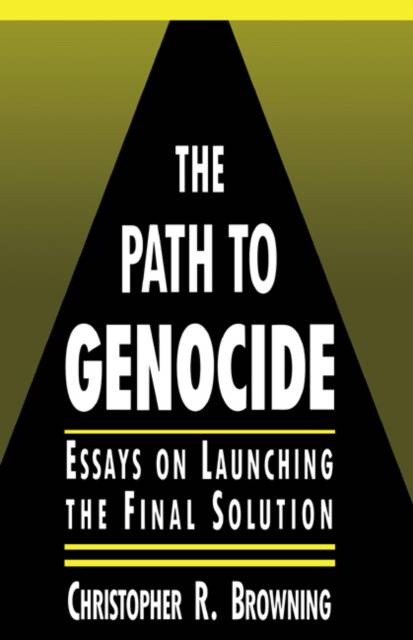
The Path to Genocide studies three aspects of the events leading up to the Final Solution in Nazi Germany. First, Nazi's "solutions" to their self-imposed "Jewish problem" before resorting to mass-murder are examined, specifically ghettoization and early resettlement plans to expel Jews to Eastern Poland or the island of Madagascar. Second, the responsibility of shaping Nazi Jewish policy is shown to extend to the lower and middle echelon of government, through accommodation and conformity of a wide variety of perpetrators, including bureaucrats, doctors and policemen. Finally the role of Adolf Hitler in the decisionmaking process is examined, with a historiographical analysis of other accounts of his role. Browning argues that while Hitler did not operate according to a premeditated plan or blueprint, he did make the key decisions. This volume of essays provides perspectives on German Jewish policy both from the bottom of the government apparatus and from the top.
Specificaties
Betrokkenen
- Auteur(s):
- Uitgeverij:
Inhoud
- Aantal bladzijden:
- 208
- Taal:
- Engels
- Reeks:
Eigenschappen
- Productcode (EAN):
- 9780521417013
- Verschijningsdatum:
- 26/06/1992
- Uitvoering:
- Hardcover
- Formaat:
- Genaaid
- Afmetingen:
- 148 mm x 225 mm
- Gewicht:
- 421 g


Alleen bij Standaard Boekhandel
+ 366 punten op je klantenkaart van Standaard Boekhandel
Cadeau

AANGERADEN


Beoordelingen
We publiceren alleen reviews die voldoen aan de voorwaarden voor reviews. Bekijk onze voorwaarden voor reviews.