



Bedankt voor het vertrouwen het afgelopen jaar! Om jou te bedanken bieden we GRATIS verzending (in België) aan op alles gedurende de hele maand januari.
- Afhalen na 1 uur in een winkel met voorraad
- In januari gratis thuislevering in België
- Ruim aanbod met 7 miljoen producten
Bedankt voor het vertrouwen het afgelopen jaar! Om jou te bedanken bieden we GRATIS verzending (in België) aan op alles gedurende de hele maand januari.
- Afhalen na 1 uur in een winkel met voorraad
- In januari gratis thuislevering in België
- Ruim aanbod met 7 miljoen producten





€ 277,95
+ 555 punten
Omschrijving
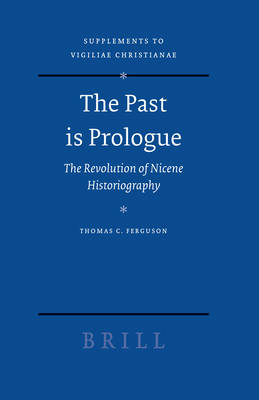
While there has been substantial scholarly work done on the development of Christian doctrine in the fourth and fifth centuries, very little corresponding attention has been paid to the writing of church history during this critical period. This work examines how authors began to construct the historical narrative of the "Arian" controversy and focuses on the interplay between theology and worshipping communities. Major figures such as Eusebius and Athanasius are examined, and important but overlooked figures such as an anonymous non-Nicene chronicler and Philostorgius are also included.
In the introduction the book surveys recent developments in the study of "Arianism" and discusses the usefulness of the very category of an "Arian controversy." Subsequent chapters set forth the thesis that church histories are important sources for understanding the development of doctrine. A chapter is devoted to Eusebius' Ecclesiastical History, especially the oft-overlooked Book X. Further chapters explore the role of Rufinus as the first extant author to write a continuation of Eusebius. The work also consciously includes marginalized non-Nicene sources, and there are chapters which examine an anonymous non-Nicene chronicler and the Ecclesiastical History of the Eunomian Philostorgius of Borissus.
The book is particularly useful for persons interested in examining the development of doctrine in the fourth century from fresh perspectives. The work approaches church histories as narrative myths of community origins produced by worshipping communities standing in continuity to local schools of thought.
In the introduction the book surveys recent developments in the study of "Arianism" and discusses the usefulness of the very category of an "Arian controversy." Subsequent chapters set forth the thesis that church histories are important sources for understanding the development of doctrine. A chapter is devoted to Eusebius' Ecclesiastical History, especially the oft-overlooked Book X. Further chapters explore the role of Rufinus as the first extant author to write a continuation of Eusebius. The work also consciously includes marginalized non-Nicene sources, and there are chapters which examine an anonymous non-Nicene chronicler and the Ecclesiastical History of the Eunomian Philostorgius of Borissus.
The book is particularly useful for persons interested in examining the development of doctrine in the fourth century from fresh perspectives. The work approaches church histories as narrative myths of community origins produced by worshipping communities standing in continuity to local schools of thought.
Specificaties
Betrokkenen
- Auteur(s):
- Uitgeverij:
Inhoud
- Aantal bladzijden:
- 240
- Taal:
- Engels
- Reeks:
- Reeksnummer:
- nr. 75
Eigenschappen
- Productcode (EAN):
- 9789004144576
- Verschijningsdatum:
- 15/06/2005
- Uitvoering:
- Hardcover
- Formaat:
- Genaaid
- Afmetingen:
- 171 mm x 244 mm
- Gewicht:
- 571 g


Alleen bij Standaard Boekhandel
+ 555 punten op je klantenkaart van Standaard Boekhandel
SOLDEN


Beoordelingen
We publiceren alleen reviews die voldoen aan de voorwaarden voor reviews. Bekijk onze voorwaarden voor reviews.