


- Afhalen na 1 uur in een winkel met voorraad
- Gratis thuislevering in België vanaf € 30
- Ruim aanbod met 7 miljoen producten
- Afhalen na 1 uur in een winkel met voorraad
- Gratis thuislevering in België vanaf € 30
- Ruim aanbod met 7 miljoen producten





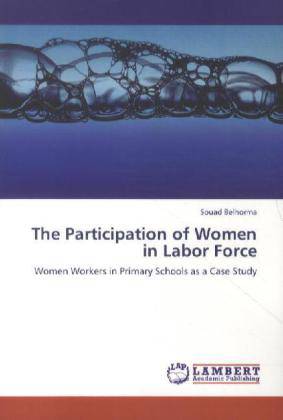
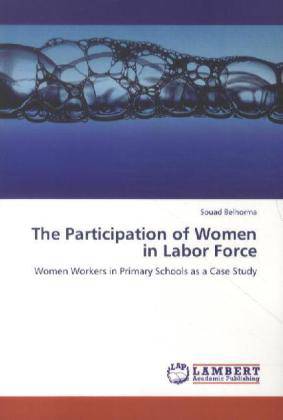
The Participation of Women in Labor Force
Women Workers in Primary Schools as a Case Study
Souad Belhorma
Paperback | Engels
€ 48,45
+ 96 punten
Omschrijving
As a transitioning society in the developing world, Morocco has made significant changes to achieve equality between sexes in labor market. This book, therefore, discusses women's work and documents their efforts to trespass the private sphere to the public one. However, they are faced with gender based discrimination and stark inequalities impeding their true socio-economic development. Based on a field work, this book suggests that there are four generalizations which can be made about women's participation in labor force, especially among women in primary schools in Fez. First, there are various reasons behind their engagement in labor market as a traditionally male dominated sphere. Second, many women suffer from unequal gender division of labor. Third, women's participation in labor market has not changed their traditional gender roles. Fourth, women face different gender based disparities: occupational segregation, unequal pay, gender division of labor, to name but a few. The analysis should be useful to researchers,professionals, policymakers and anyone else who may be considering dealing with gender issues in relation to labor force.
Specificaties
Betrokkenen
- Auteur(s):
- Uitgeverij:
Inhoud
- Aantal bladzijden:
- 120
- Taal:
- Engels
Eigenschappen
- Productcode (EAN):
- 9783659191442
- Verschijningsdatum:
- 30/07/2012
- Uitvoering:
- Paperback
- Afmetingen:
- 150 mm x 220 mm
- Gewicht:
- 176 g


Alleen bij Standaard Boekhandel
+ 96 punten op je klantenkaart van Standaard Boekhandel
Cadeau

AANGERADEN


Beoordelingen
We publiceren alleen reviews die voldoen aan de voorwaarden voor reviews. Bekijk onze voorwaarden voor reviews.