


- Afhalen na 1 uur in een winkel met voorraad
- Gratis thuislevering in België vanaf € 30
- Ruim aanbod met 7 miljoen producten
- Afhalen na 1 uur in een winkel met voorraad
- Gratis thuislevering in België vanaf € 30
- Ruim aanbod met 7 miljoen producten





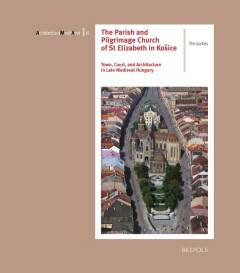
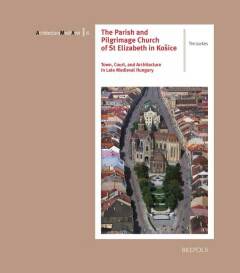
The Parish and Pilgrimage Church of St Elizabeth in Kosice
Town, Court, and Architecture in Late Medieval Hungary
Tim Juckes
€ 111,30
+ 222 punten
Omschrijving
One of the most important building projects in late medieval Hungary was the reconstruction of the parish and pilgrimage church of St Elizabeth in Kosice (present-day Slovakia). The burghers of this prosperous, free royal town decided to rebuild their main church shortly before 1400, and work continued, with several interruptions, into the late fifteenth century. Along with the ambitious and unusual design that emerged, far-reaching artistic connections with centres such as Prague and Vienna ensure the church's exceptional value for architectural history - not only within Hungary, but in the Central European region as a whole. It is this value as an art historical document that the present work seeks to exploit. It approaches the church's fabric as a source of information about patrons, masons, and congregations, attempting to locate the dynamics behind design choices made. This necessitates a detailed reconstruction of the building enterprise itself, before the focus shifts to the impact of the St Elizabeth's project both in northern Hungary and further afield (Transylvania, Lesser Poland), allowing the town lodge's remarkable achievements be set in inter-regional context.
Specificaties
Betrokkenen
- Auteur(s):
- Uitgeverij:
Inhoud
- Aantal bladzijden:
- 304
- Taal:
- Engels
- Reeks:
- Reeksnummer:
- nr. 6
Eigenschappen
- Productcode (EAN):
- 9782503531090
- Verschijningsdatum:
- 19/06/2012
- Uitvoering:
- Paperback
- Formaat:
- Trade paperback (VS)
- Afmetingen:
- 216 mm x 279 mm
- Gewicht:
- 1160 g


Alleen bij Standaard Boekhandel
+ 222 punten op je klantenkaart van Standaard Boekhandel
Cadeau

AANGERADEN


Beoordelingen
We publiceren alleen reviews die voldoen aan de voorwaarden voor reviews. Bekijk onze voorwaarden voor reviews.