


- Afhalen na 1 uur in een winkel met voorraad
- Gratis thuislevering in België vanaf € 30
- Ruim aanbod met 7 miljoen producten
- Afhalen na 1 uur in een winkel met voorraad
- Gratis thuislevering in België vanaf € 30
- Ruim aanbod met 7 miljoen producten





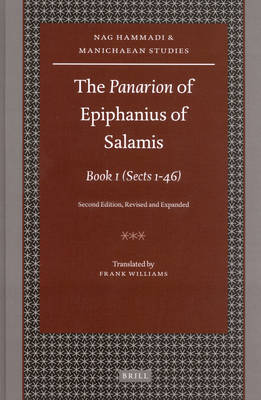
The Panarion of Epiphanius of Salamis: Book I
(Sects 1-46) Second Edition, Revised and Expanded
Frank Williams
€ 349,95
+ 699 punten
Omschrijving
Epiphanius, monastic founder and bishop of Salamis on Cyprus for almost 40 years of the fourth century, threw heart and soul into the controversies of the time and produced the "Panarion" or "Medicine Chest", an historical encyclopedia of sects and heresies and their refutations. Book I, concerned chiefly with Gnostic and Jewish Christian groups, deals with material which is also found in Nag Hammadi and other Gnostic writings and in such patristic authors as Irenaeus, Hippolytus et al, and reproduces documents not available elsewhere. Its translation has been found useful by students of Nag Hammadi and Gnosticism, patrologists, historians of religion, church historians, students of Judaism, and the theologically minded public.
Specificaties
Betrokkenen
- Auteur(s):
- Uitgeverij:
Inhoud
- Aantal bladzijden:
- 448
- Taal:
- Engels
- Reeks:
- Reeksnummer:
- nr. 63
Eigenschappen
- Productcode (EAN):
- 9789004170179
- Verschijningsdatum:
- 27/11/2008
- Uitvoering:
- Hardcover
- Formaat:
- Genaaid
- Afmetingen:
- 170 mm x 244 mm
- Gewicht:
- 861 g


Alleen bij Standaard Boekhandel
+ 699 punten op je klantenkaart van Standaard Boekhandel
Cadeau

AANGERADEN


Beoordelingen
We publiceren alleen reviews die voldoen aan de voorwaarden voor reviews. Bekijk onze voorwaarden voor reviews.