


- Afhalen na 1 uur in een winkel met voorraad
- Gratis thuislevering in België vanaf € 30
- Ruim aanbod met 7 miljoen producten
- Afhalen na 1 uur in een winkel met voorraad
- Gratis thuislevering in België vanaf € 30
- Ruim aanbod met 7 miljoen producten





€ 394,95
+ 789 punten
Omschrijving
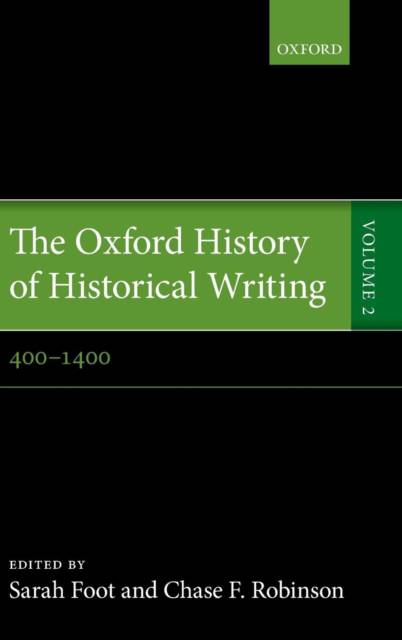
How was history written in Europe and Asia between 400-1400? How was the past understood in religious, social and political terms? And in what ways does the diversity of historical writing in this period mask underlying commonalities in narrating the past? The volume, which assembles 28 contributions from leading historians, tackles these and other questions. Part I provides comprehensive overviews of the development of historical writing in societies that range from the Korean Peninsula to north-west Europe, which together highlight regional and cultural distinctiveness. Part II complements the first part by taking a thematic and comparative approach; it includes essays on genre, warfare, and religion (amongst others) which address common concerns of historians working in this liminal period before the globalizing forces of the early modern world.
Specificaties
Betrokkenen
- Auteur(s):
- Uitgeverij:
Inhoud
- Aantal bladzijden:
- 672
- Taal:
- Engels
- Reeks:
Eigenschappen
- Productcode (EAN):
- 9780199236428
- Verschijningsdatum:
- 29/12/2012
- Uitvoering:
- Hardcover
- Formaat:
- Genaaid
- Afmetingen:
- 163 mm x 236 mm
- Gewicht:
- 1138 g


Alleen bij Standaard Boekhandel
+ 789 punten op je klantenkaart van Standaard Boekhandel
Cadeau

AANGERADEN


Beoordelingen
We publiceren alleen reviews die voldoen aan de voorwaarden voor reviews. Bekijk onze voorwaarden voor reviews.