


- Afhalen na 1 uur in een winkel met voorraad
- Gratis thuislevering in België vanaf € 30
- Ruim aanbod met 7 miljoen producten
- Afhalen na 1 uur in een winkel met voorraad
- Gratis thuislevering in België vanaf € 30
- Ruim aanbod met 7 miljoen producten





€ 229,45
+ 458 punten
Omschrijving
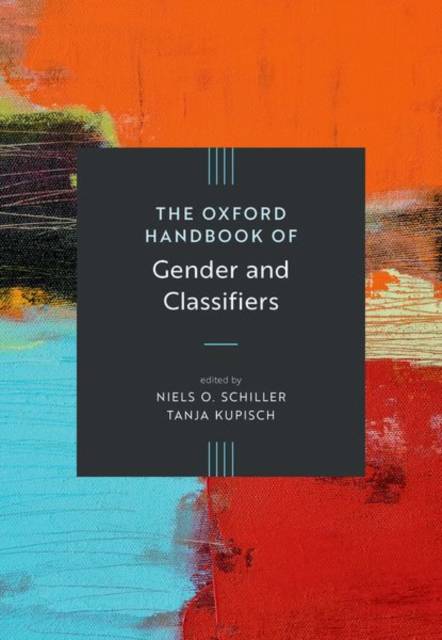
This handbook offers a detailed account of grammatical gender and classifiers, two closely related linguistic phenomena that are used to subcategorize the nominal system in many languages of the world. The contributors draw on data from a variety of typologically diverse languages and approach the topic from a range of different perspectives. In the first part, chapters summarize current theoretical research in the field, as well as suggesting new ways to analyse the relevant lexico-syntactic features. Part II turns instead to the substantial body of research on the acquisition of gender and classifier systems in different language families, while chapters in Part III explore the representation and processing of these systems, including coverage of code-switching and language processing in aphasia. Both these parts feature examples and data not only from Indo-European languages but also from under-represented and endangered languages. The final part of the volume presents a broad typological overview of gender and classifier systems across the world, with examples from Europe, North and South America, Africa, and Asia. The Oxford Handbook of Gender and Classifiers will be a valuable resource for researchers and scholars in morphosyntax, typology, psycholinguistics, and cognitive neuroscience of language.
Specificaties
Betrokkenen
- Auteur(s):
- Uitgeverij:
Inhoud
- Aantal bladzijden:
- 720
- Taal:
- Engels
- Reeks:
Eigenschappen
- Productcode (EAN):
- 9780192866318
- Verschijningsdatum:
- 21/10/2026
- Uitvoering:
- Hardcover
- Formaat:
- Genaaid
- Afmetingen:
- 171 mm x 246 mm



Alleen bij Standaard Boekhandel
+ 458 punten op je klantenkaart van Standaard Boekhandel
Cadeau

AANGERADEN


Beoordelingen
We publiceren alleen reviews die voldoen aan de voorwaarden voor reviews. Bekijk onze voorwaarden voor reviews.