


- Afhalen na 1 uur in een winkel met voorraad
- Gratis thuislevering in België vanaf € 30
- Ruim aanbod met 7 miljoen producten
- Afhalen na 1 uur in een winkel met voorraad
- Gratis thuislevering in België vanaf € 30
- Ruim aanbod met 7 miljoen producten





€ 229,45
+ 458 punten
Omschrijving
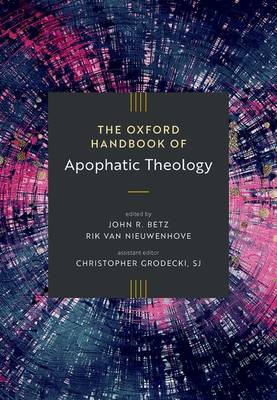
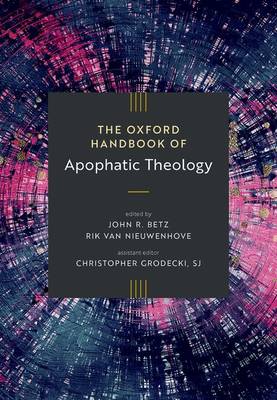
The Oxford Handbook of Apophatic Theology offers the most comprehensive overview, in any language, of apophatic or negative theology. Apophaticism is not a distinct branch of theology but refers, rather, to an indispensable feature of engaging in any theological discourse and spiritual practices (usually involving a transformation of the self) that remain sensitive to the radical otherness and unknowability of God. The first part of the Handbook examines the religious and philosophical sources of apophatic theology, i.e., its biblical and Platonic origins. These biblical and philosophical sources became gradually crystalized in specific and plural traditions which are covered in Part II, where authors pay specific attention to the Church Fathers (East and West), major authors from medieval Islam, Judaism, and Christianity (from Eriugena to Julian of Norwich); and from the Reformation and Renaissance to the twentieth century (from Cusanus and Luther to Simone Weil and Erich Przywara). In a final section, key systematic-theological issues are considered, such as apophaticism and its relation to the theology of creation, Trinity, liturgy, and eschatology. This rich collection of essays demonstrates that apophasis is not an armchair exercise in negation, as it is popularly conceived, but a mental discipline, an ascetical practice, embedded in various religious traditions, whose ultimate purpose is our deification (theosis).
Specificaties
Betrokkenen
- Auteur(s):
- Uitgeverij:
Inhoud
- Aantal bladzijden:
- 632
- Taal:
- Engels
- Reeks:
Eigenschappen
- Productcode (EAN):
- 9780198852599
- Verschijningsdatum:
- 6/11/2026
- Uitvoering:
- Hardcover
- Formaat:
- Genaaid
- Afmetingen:
- 171 mm x 246 mm


Alleen bij Standaard Boekhandel
+ 458 punten op je klantenkaart van Standaard Boekhandel
Cadeau

AANGERADEN


Beoordelingen
We publiceren alleen reviews die voldoen aan de voorwaarden voor reviews. Bekijk onze voorwaarden voor reviews.