



Je cadeautjes zeker op tijd in huis hebben voor de feestdagen? Kom langs in onze winkels en vind het perfecte geschenk!
- Afhalen na 1 uur in een winkel met voorraad
- Gratis thuislevering in België vanaf € 30
- Ruim aanbod met 7 miljoen producten
Je cadeautjes zeker op tijd in huis hebben voor de feestdagen? Kom langs in onze winkels en vind het perfecte geschenk!
- Afhalen na 1 uur in een winkel met voorraad
- Gratis thuislevering in België vanaf € 30
- Ruim aanbod met 7 miljoen producten





€ 20,95
+ 41 punten
Omschrijving
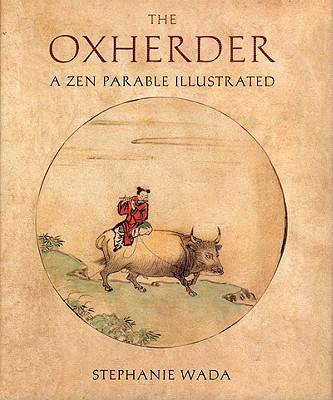
In the Buddhist parable of the ox herder, a herdsman's search for his missing ox is likened to an individual's journey toward enlightenment. Buddhist masters composed this parable, whose origins reach as far back as the literature of ancient India, to guide students of Buddhism in their spiritual journeys. The Ox Herder: A Zen Parable Illustrated presents the earliest known Japanese handscroll illustrating the parable and the only one with paintings in color. Unlike many early Japanese handscrolls and books, it is intact, from its preface explaining the basic tenets of Buddhism to its signed inscription dated 1278. Extremely popular among Zen Buddhists in medieval Japan, "The Ten Ox Herding Songs," as the parable is best known, divides the herder's journey into ten stages, each illustrated by a circularly framed image accompanied by a four-line poem. The paintings, rendered in the graceful traditional manner of Japanese narrative illustration, show the progress of the ox herder (a seeker of truth) toward enlightenment (the ox). Appearing with the ten pictures are the preface and the ten songs that accompany the images, both in the original and in translation, and the final inscription. Stephanie Wada's introduction traces the history of the Zen and ox-and-herdboy theme in Japan, and discusses the importance of this particular work within Japanese Zen Buddhist painting. For students of Zen Buddhism, of Japanese art, and seekers of truth from all walks of life, The Ox Herder: A Zen Parable Illustrated offers ancient lessons of spiritual growth and beauty. 10 color and 15 b/w illustrations.
Specificaties
Betrokkenen
- Auteur(s):
- Vertaler(s):
- Uitgeverij:
Inhoud
- Aantal bladzijden:
- 85
- Taal:
- Engels
Eigenschappen
- Productcode (EAN):
- 9780807615119
- Verschijningsdatum:
- 17/12/2002
- Uitvoering:
- Hardcover
- Formaat:
- Genaaid
- Afmetingen:
- 205 mm x 247 mm
- Gewicht:
- 562 g


Alleen bij Standaard Boekhandel
+ 41 punten op je klantenkaart van Standaard Boekhandel
CADEAU


Beoordelingen
We publiceren alleen reviews die voldoen aan de voorwaarden voor reviews. Bekijk onze voorwaarden voor reviews.