


- Afhalen na 1 uur in een winkel met voorraad
- Gratis thuislevering in België vanaf € 30
- Ruim aanbod met 7 miljoen producten
- Afhalen na 1 uur in een winkel met voorraad
- Gratis thuislevering in België vanaf € 30
- Ruim aanbod met 7 miljoen producten





Omschrijving
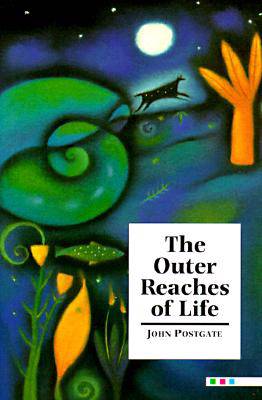
Since the dawn of life on Earth, the world has been gradually transformed by living things into a comfortable home for plants and animals, including human beings. But many harsh and seemingly inhospitable places remain. It is the inhabitants of such places, mainly invisible microbes, that reveal the remarkable potential and resilience of life itself. How do microbes survive, even flourish, in superheated water or supercooled brine, at enormous pressures, without air, amid poisons? And what part do, and did, they play in making the Earth hospitable? In this fascinating account, engagingly written for lay readers, one of the world's leading microbiologists tells of the diverse adjustments microbes have made to apparently impossible habitats.
Specificaties
Betrokkenen
- Auteur(s):
- Uitgeverij:
Inhoud
- Aantal bladzijden:
- 288
- Taal:
- Engels
Eigenschappen
- Productcode (EAN):
- 9780521440103
- Verschijningsdatum:
- 25/03/1994
- Uitvoering:
- Hardcover
- Formaat:
- Genaaid
- Afmetingen:
- 156 mm x 235 mm
- Gewicht:
- 571 g


Alleen bij Standaard Boekhandel
+ 190 punten op je klantenkaart van Standaard Boekhandel

Beoordelingen
We publiceren alleen reviews die voldoen aan de voorwaarden voor reviews. Bekijk onze voorwaarden voor reviews.