


- Afhalen na 1 uur in een winkel met voorraad
- Gratis thuislevering in België vanaf € 30
- Ruim aanbod met 7 miljoen producten
- Afhalen na 1 uur in een winkel met voorraad
- Gratis thuislevering in België vanaf € 30
- Ruim aanbod met 7 miljoen producten





€ 220,45
+ 440 punten
Uitvoering
Omschrijving
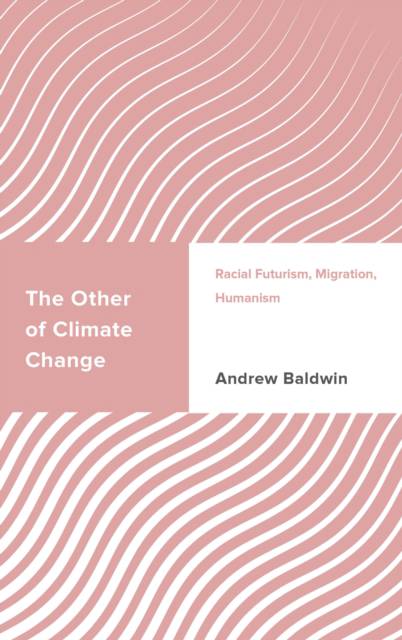
If the predictions are correct, climate change will force millions of people from their homes, threatening a future of humanitarian crises, political violence, and strife. In The Other of Climate Change, Andrew Baldwin intervenes in the international political debate about climate change and human migration to tell a different story. He argues that international attempts to govern those who stand to be displaced by climate change are as much or more to do with resuscitating European humanism at a moment in which geophysical phenomena like climate change and the Anthropocene threaten to extinguish the human altogether. Through detailed interpretations of the figure of the climate migrant/refugee, Baldwin traces the contours of an emerging form of planetary racial rule - racial futurism - unfolding in the context of the climate change crisis. He shows how racial futurism takes shape as a political response to the crisis of humanism that is said to lay at the heart of the climate change crisis. Along the way, he examines numerous themes that are at the forefront of contemporary thinking about climate change and politics, including the political, humanism, sovereignty, neoliberalism, the international, and race. Ultimately, the book is a plea for scholars, activists, and policymakers to take seriously the way race and racism are bound up with the political discourse on climate change and migration and to ask what this means for the wider political debate about climate change and the future.
Specificaties
Betrokkenen
- Auteur(s):
- Uitgeverij:
Inhoud
- Aantal bladzijden:
- 224
- Taal:
- Engels
- Reeks:
Eigenschappen
- Productcode (EAN):
- 9781786614506
- Verschijningsdatum:
- 31/08/2022
- Uitvoering:
- Hardcover
- Formaat:
- Genaaid
- Afmetingen:
- 152 mm x 229 mm
- Gewicht:
- 498 g



Alleen bij Standaard Boekhandel
+ 440 punten op je klantenkaart van Standaard Boekhandel
AANGERADEN


Beoordelingen
We publiceren alleen reviews die voldoen aan de voorwaarden voor reviews. Bekijk onze voorwaarden voor reviews.