


- Afhalen na 1 uur in een winkel met voorraad
- Gratis thuislevering in België vanaf € 30
- Ruim aanbod met 7 miljoen producten
- Afhalen na 1 uur in een winkel met voorraad
- Gratis thuislevering in België vanaf € 30
- Ruim aanbod met 7 miljoen producten





€ 45,95
+ 91 punten
Omschrijving
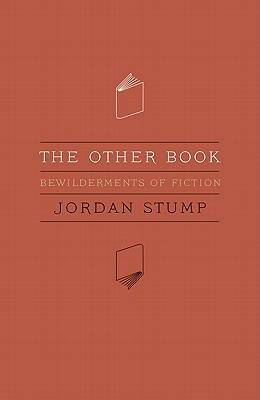
Jordan Stump had often contemplated the relationship between a translation and "the book itself," ruminating on the intriguing inherent sameness and difference between the two. In The Other Book, Stump examines the "other" forms of a book and the ways in which they both mirror and depart from the original. Grounding his witty and original study in an exploration of four forms of Raymond Queneau's Le chiendent--a copy, the manuscript, a translation, and a critical edition--Stump poses questions designed to help readers reconsider the nature of fiction and reading.
Each form of Le chiendent both is and is not what we mean when we say "Le chiendent," yet the friction between their ways of being and that of "the book itself" proves unexpectedly productive, raising troublesome questions about the nature of textuality, reading, language, and knowledge. It also positions us to assess several answers proposed in response to such questions and to wonder about their usefulness. And as we consider those questions, we will have Queneau's novel beside us, further confounding our attempts to answer--for our inability to answer those questions is precisely the point of The Other Book, as it is of Le chiendent.
Each form of Le chiendent both is and is not what we mean when we say "Le chiendent," yet the friction between their ways of being and that of "the book itself" proves unexpectedly productive, raising troublesome questions about the nature of textuality, reading, language, and knowledge. It also positions us to assess several answers proposed in response to such questions and to wonder about their usefulness. And as we consider those questions, we will have Queneau's novel beside us, further confounding our attempts to answer--for our inability to answer those questions is precisely the point of The Other Book, as it is of Le chiendent.
Specificaties
Betrokkenen
- Auteur(s):
- Uitgeverij:
Inhoud
- Aantal bladzijden:
- 288
- Taal:
- Engels
- Reeks:
Eigenschappen
- Productcode (EAN):
- 9780803234307
- Verschijningsdatum:
- 1/05/2011
- Uitvoering:
- Hardcover
- Formaat:
- Genaaid
- Afmetingen:
- 140 mm x 216 mm
- Gewicht:
- 476 g


Alleen bij Standaard Boekhandel
+ 91 punten op je klantenkaart van Standaard Boekhandel
AANGERADEN


Beoordelingen
We publiceren alleen reviews die voldoen aan de voorwaarden voor reviews. Bekijk onze voorwaarden voor reviews.