


- Afhalen na 1 uur in een winkel met voorraad
- Gratis thuislevering in België vanaf € 30
- Ruim aanbod met 7 miljoen producten
- Afhalen na 1 uur in een winkel met voorraad
- Gratis thuislevering in België vanaf € 30
- Ruim aanbod met 7 miljoen producten





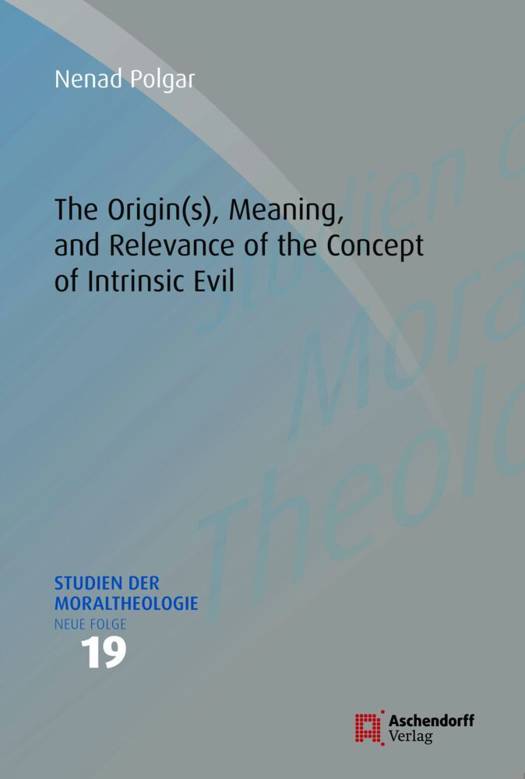
The Origin(s), Meaning, and Relevance of the Concept of Intrinsic Evil
Nenad Polgar
€ 76,95
+ 153 punten
Eenvoudig bestellen
Veilig betalen


Gratis thuislevering vanaf € 30 (via bpost)
Gratis levering in je Standaard Boekhandel
Omschrijving
The starting point of this study is a curious observation that 'intrinsic evil', a normative term predominantly associated with Catholic sexual ethics, seems to be expanding in its usage so that it is now frequently invoked in various theological disciplines, Church practice, and even interventions of representatives of the Church in public discourse. Broadly defined, the term 'intrinsic evil' refers to those acts that are always morally wrong, no matter the circumstances and intention of the agent. In order to assess this recent development in the usage of the term intrinsic evil, this study undertakes a historical analysis of the origin(s) and meaning of the concept of intrinsic evil and a critical-hermeneutical assessment of its current usage and relevance in theological ethics and in wider public discourse.
Specificaties
Betrokkenen
- Auteur(s):
- Uitgeverij:
Inhoud
- Taal:
- Engels
- Reeks:
- Reeksnummer:
- nr. 19
Eigenschappen
- Productcode (EAN):
- 9783402119730
- Uitvoering:
- Boek
- Afmetingen:
- 155 mm x 230 mm


Alleen bij Standaard Boekhandel
+ 153 punten op je klantenkaart van Standaard Boekhandel
CADEAU

AANGERADEN


Beoordelingen
We publiceren alleen reviews die voldoen aan de voorwaarden voor reviews. Bekijk onze voorwaarden voor reviews.