


- Afhalen na 1 uur in een winkel met voorraad
- Gratis thuislevering in België vanaf € 30
- Ruim aanbod met 7 miljoen producten
- Afhalen na 1 uur in een winkel met voorraad
- Gratis thuislevering in België vanaf € 30
- Ruim aanbod met 7 miljoen producten





Omschrijving
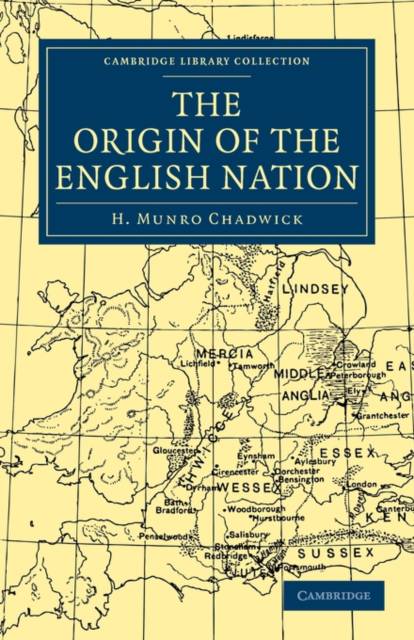
In this 1907 work, H. Munro Chadwick (1870-1947) re-examines the early history of the English nation from a new perspective. By training a philologist, he uses the tools of ethnology, history, tradition, language, customs, religion and archaeology, to understand how the various Germanic tribes established themselves in Britain, founding new kingdoms. Despite an almost total lack of English historical documents from the period, Chadwick uses a range of historical and literary sources, from both sides of the English Channel, which relied on oral traditions. By close linguistic analysis he shows how the Saxon and other invaders retained close cultural ties with their continental kinsmen. He shows that although the Dark Ages may be obscure due to lack of contemporary sources, careful scholarly analysis of later texts can reveal a great deal about the history, culture and society of the earlier period.
Specificaties
Betrokkenen
- Auteur(s):
- Uitgeverij:
Inhoud
- Aantal bladzijden:
- 356
- Taal:
- Engels
- Reeks:
Eigenschappen
- Productcode (EAN):
- 9781108010061
- Verschijningsdatum:
- 20/05/2010
- Uitvoering:
- Paperback
- Formaat:
- Trade paperback (VS)
- Afmetingen:
- 140 mm x 216 mm
- Gewicht:
- 449 g


Alleen bij Standaard Boekhandel
+ 75 punten op je klantenkaart van Standaard Boekhandel
AANGERADEN


Beoordelingen
We publiceren alleen reviews die voldoen aan de voorwaarden voor reviews. Bekijk onze voorwaarden voor reviews.