


- Afhalen na 1 uur in een winkel met voorraad
- Gratis thuislevering in België vanaf € 30
- Ruim aanbod met 7 miljoen producten
- Afhalen na 1 uur in een winkel met voorraad
- Gratis thuislevering in België vanaf € 30
- Ruim aanbod met 7 miljoen producten





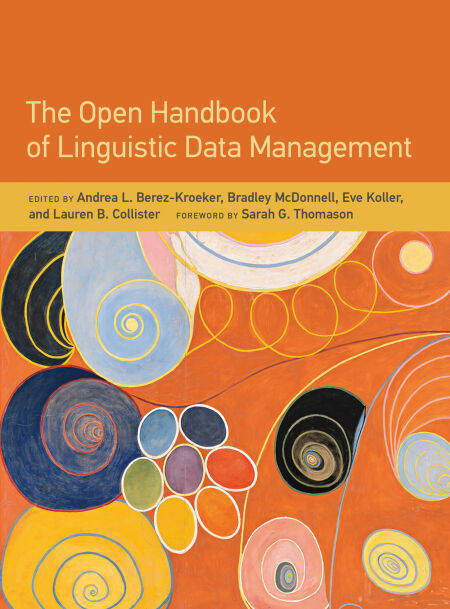
The Open Handbook of Linguistic Data Management E-BOOK
€ 246,44
+ 246 punten
Uitvoering
Omschrijving
A guide to principles and methods for the management, archiving, sharing, and citing of linguistic research data, especially digital data.
"Doing language science" depends on collecting, transcribing, annotating, analyzing, storing, and sharing linguistic research data. This volume offers a guide to linguistic data management, engaging with current trends toward the transformation of linguistics into a more data-driven and reproducible scientific endeavor. It offers both principles and methods, presenting the conceptual foundations of linguistic data management and a series of case studies, each of which demonstrates a concrete application of abstract principles in a current practice.
In part 1, contributors bring together knowledge from information science, archiving, and data stewardship relevant to linguistic data management. Topics covered include implementation principles, archiving data, finding and using datasets, and the valuation of time and effort involved in data management. Part 2 presents snapshots of practices across various subfields, with each chapter presenting a unique data management project with generalizable guidance for researchers. The Open Handbook of Linguistic Data Management is an essential addition to the toolkit of every linguist, guiding researchers toward making their data FAIR: Findable, Accessible, Interoperable, and Reusable.
"Doing language science" depends on collecting, transcribing, annotating, analyzing, storing, and sharing linguistic research data. This volume offers a guide to linguistic data management, engaging with current trends toward the transformation of linguistics into a more data-driven and reproducible scientific endeavor. It offers both principles and methods, presenting the conceptual foundations of linguistic data management and a series of case studies, each of which demonstrates a concrete application of abstract principles in a current practice.
In part 1, contributors bring together knowledge from information science, archiving, and data stewardship relevant to linguistic data management. Topics covered include implementation principles, archiving data, finding and using datasets, and the valuation of time and effort involved in data management. Part 2 presents snapshots of practices across various subfields, with each chapter presenting a unique data management project with generalizable guidance for researchers. The Open Handbook of Linguistic Data Management is an essential addition to the toolkit of every linguist, guiding researchers toward making their data FAIR: Findable, Accessible, Interoperable, and Reusable.
Specificaties
Betrokkenen
- Uitgeverij:
Inhoud
- Aantal bladzijden:
- 688
- Taal:
- Engels
- Reeks:
Eigenschappen
- Productcode (EAN):
- 9780262362177
- Verschijningsdatum:
- 17/01/2022
- Uitvoering:
- E-book
- Beveiligd met:
- Adobe DRM
- Formaat:
- ePub

Alleen bij Standaard Boekhandel
+ 246 punten op je klantenkaart van Standaard Boekhandel
Cadeau

AANGERADEN


Beoordelingen
We publiceren alleen reviews die voldoen aan de voorwaarden voor reviews. Bekijk onze voorwaarden voor reviews.