


- Afhalen na 1 uur in een winkel met voorraad
- Gratis thuislevering in België vanaf € 30
- Ruim aanbod met 7 miljoen producten
- Afhalen na 1 uur in een winkel met voorraad
- Gratis thuislevering in België vanaf € 30
- Ruim aanbod met 7 miljoen producten





€ 48,95
+ 97 punten
Omschrijving
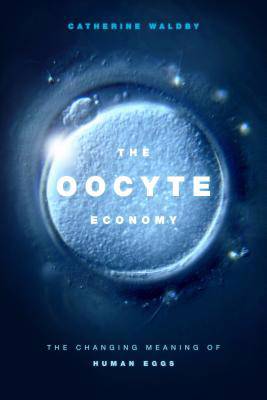
In recent years increasing numbers of women from wealthy countries have turned to egg donation, egg freezing, and in vitro fertilization to become pregnant, especially later in life. This trend has created new ways of using, exchanging, and understanding oocytes-the reproductive cells specific to women. In The Oocyte Economy Catherine Waldby draws on 130 interviews---with scientists, clinicians, and women who have either donated or frozen their oocytes or received those of another woman---to trace how the history of human oocytes' perceived value intersects with the biological and social life of women. Demonstrating how oocytes have come to be understood as discrete and scarce biomedical objects open to valuation, management, and exchange, Waldby examines the global market for oocytes and the power dynamics between recipients and the often younger and poorer donors. With this exploration of the oocyte economy and its contemporary biopolitical significance, Waldby rethinks the relationship between fertility, gendered experience, and biomedical innovation.
Specificaties
Betrokkenen
- Auteur(s):
- Uitgeverij:
Inhoud
- Aantal bladzijden:
- 248
- Taal:
- Engels
Eigenschappen
- Productcode (EAN):
- 9781478004721
- Verschijningsdatum:
- 6/05/2019
- Uitvoering:
- Paperback
- Formaat:
- Trade paperback (VS)
- Afmetingen:
- 155 mm x 229 mm
- Gewicht:
- 317 g


Alleen bij Standaard Boekhandel
+ 97 punten op je klantenkaart van Standaard Boekhandel
Cadeau

AANGERADEN


Beoordelingen
We publiceren alleen reviews die voldoen aan de voorwaarden voor reviews. Bekijk onze voorwaarden voor reviews.