


- Afhalen na 1 uur in een winkel met voorraad
- Gratis thuislevering in België vanaf € 30
- Ruim aanbod met 7 miljoen producten
- Afhalen na 1 uur in een winkel met voorraad
- Gratis thuislevering in België vanaf € 30
- Ruim aanbod met 7 miljoen producten





€ 59,95
+ 119 punten
Eenvoudig bestellen
Veilig betalen


Gratis thuislevering vanaf € 30 (via bpost)
Gratis levering in je Standaard Boekhandel
Omschrijving
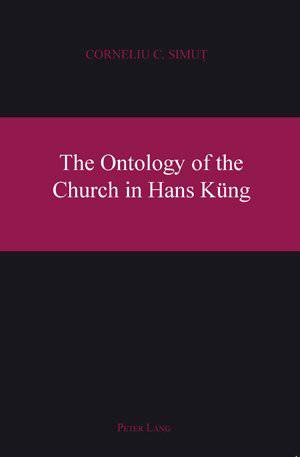
This book investigates the signs of the church in the theology of Hans Küng as described in his The Church (1967). As Küng does not go beyond the traditional signs of the church, the author makes a thorough analysis of the unity, catholicity, holiness and apostolicity of the church with plentiful references to other contemporary theologians such as Karl Rahner, Hans Urs von Balthasar, Edward Schillebeeckx, Henri de Lubac, Yves Congar, and even Joseph Ratzinger. The relevance of the book consists in its approach to classical theological issues which lay the foundation for a contemporary reassessment of the church. The author is concerned not to defend particular doctrines but to see how Küng's theology of the signs of the church fits within the context of his time.
Specificaties
Betrokkenen
- Auteur(s):
- Uitgeverij:
Inhoud
- Aantal bladzijden:
- 254
- Taal:
- Engels
Eigenschappen
- Productcode (EAN):
- 9783039110421
- Verschijningsdatum:
- 9/10/2007
- Uitvoering:
- Paperback
- Formaat:
- Trade paperback (VS)
- Afmetingen:
- 152 mm x 229 mm
- Gewicht:
- 358 g


Alleen bij Standaard Boekhandel
+ 119 punten op je klantenkaart van Standaard Boekhandel
CADEAU

AANGERADEN


Beoordelingen
We publiceren alleen reviews die voldoen aan de voorwaarden voor reviews. Bekijk onze voorwaarden voor reviews.