


- Afhalen na 1 uur in een winkel met voorraad
- Gratis thuislevering in België vanaf € 30
- Ruim aanbod met 7 miljoen producten
- Afhalen na 1 uur in een winkel met voorraad
- Gratis thuislevering in België vanaf € 30
- Ruim aanbod met 7 miljoen producten





€ 21,24
+ 21 punten
Uitvoering
Omschrijving
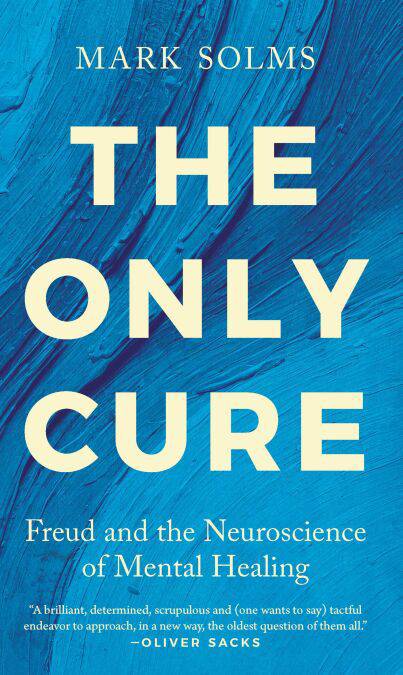
A pioneering neuropsychologist reveals how science is proving Freud's theories correct—and what that could mean for our mental wellbeing.
"Solms and his colleagues are making a brilliant, determined, scrupulous and (one wants to say) tactful endeavour to approach, in a new way, the oldest question of them all."—Oliver Sacks
Once dismissed as unscientific, psychoanalytic therapy is proving to be among our most effective medical treatments of any kind - outperforming psychiatric drugs and rivalling vaccines in its power to prevent and heal. Why does it work so well?
Perhaps because one of the most controversial figures in psychology was right all along. Neuroscience now confirms much of what Sigmund Freud conjectured over a century ago: our deepest struggles stem, not from chemical imbalances, but from buried memories and unconscious conflicts that no pill can touch.
Using enthralling case studies and cutting-edge brain science, pioneering neuroscientist Mark Solms makes the case that psychoanalysis should resume its position as our master theory of the mind. Yet modern research also reveals where Freud got important things wrong. Could correcting these errors make therapy even more effective?
As psychiatric diagnoses soar and standard treatments continue to fail many patients, The Only Cure offers a revolutionary hope: a real science of healing, rooted in the radical idea that our suffering arises from truths we haven't yet faced.
"Solms and his colleagues are making a brilliant, determined, scrupulous and (one wants to say) tactful endeavour to approach, in a new way, the oldest question of them all."—Oliver Sacks
Once dismissed as unscientific, psychoanalytic therapy is proving to be among our most effective medical treatments of any kind - outperforming psychiatric drugs and rivalling vaccines in its power to prevent and heal. Why does it work so well?
Perhaps because one of the most controversial figures in psychology was right all along. Neuroscience now confirms much of what Sigmund Freud conjectured over a century ago: our deepest struggles stem, not from chemical imbalances, but from buried memories and unconscious conflicts that no pill can touch.
Using enthralling case studies and cutting-edge brain science, pioneering neuroscientist Mark Solms makes the case that psychoanalysis should resume its position as our master theory of the mind. Yet modern research also reveals where Freud got important things wrong. Could correcting these errors make therapy even more effective?
As psychiatric diagnoses soar and standard treatments continue to fail many patients, The Only Cure offers a revolutionary hope: a real science of healing, rooted in the radical idea that our suffering arises from truths we haven't yet faced.
Specificaties
Betrokkenen
- Auteur(s):
- Uitgeverij:
Inhoud
- Aantal bladzijden:
- 320
- Taal:
- Engels
Eigenschappen
- Productcode (EAN):
- 9798897101450
- Verschijningsdatum:
- 3/08/2026
- Uitvoering:
- E-book
- Beveiligd met:
- Adobe DRM
- Formaat:
- ePub


Alleen bij Standaard Boekhandel
+ 21 punten op je klantenkaart van Standaard Boekhandel
CADEAU

AANGERADEN


Beoordelingen
We publiceren alleen reviews die voldoen aan de voorwaarden voor reviews. Bekijk onze voorwaarden voor reviews.