


- Afhalen na 1 uur in een winkel met voorraad
- Gratis thuislevering in België vanaf € 30
- Ruim aanbod met 7 miljoen producten
- Afhalen na 1 uur in een winkel met voorraad
- Gratis thuislevering in België vanaf € 30
- Ruim aanbod met 7 miljoen producten




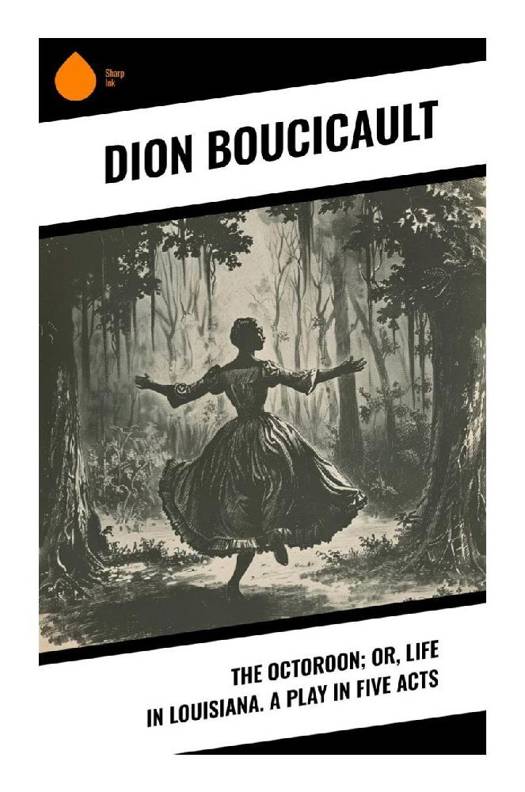
The Octoroon; or, Life in Louisiana. A Play in Five acts
Antebellum Plantation Melodrama of Slavery, Racial Identity, and Moral Crisis
Dion Boucicault
Paperback | Engels
€ 7,95
+ 15 punten
Omschrijving
The Octoroon; or, Life in Louisiana is Dion Boucicault's provocative five-act melodrama of plantation life, racial law, and moral crisis in the antebellum South. Centered on Zoe, the legally enslaved "octoroon" whose refinement cannot protect her from commodification, the play combines romance, suspense, comic interludes, and spectacular stage effects. Its sensation scenes-especially the use of photography as evidence-place it at the crossroads of Victorian melodrama, abolitionist discourse, and popular theatre's appetite for technological novelty. Boucicault, an Irish-born dramatist, actor, and theatrical entrepreneur, was among the nineteenth century's most commercially astute playwrights. His career in London and America sharpened his instinct for topical drama, and The Octoroon reflects his ability to transform public controversy into compelling theatre. Written on the eve of the American Civil War and adapted from Mayne Reid's fiction, the play reveals Boucicault's sensitivity to audience, nation, and censorship, including his famous alteration of the ending for different publics. This play is recommended for readers interested in race, performance, and the politics of popular entertainment. It remains unsettling, theatrically inventive, and indispensable for understanding how melodrama staged slavery's contradictions.
Specificaties
Betrokkenen
- Auteur(s):
- Uitgeverij:
Inhoud
- Taal:
- Engels
Eigenschappen
- Productcode (EAN):
- 9788028379674
- Uitvoering:
- Paperback
- Afmetingen:
- 152 mm x 229 mm
- Gewicht:
- 75 g


Alleen bij Standaard Boekhandel
+ 15 punten op je klantenkaart van Standaard Boekhandel
Cadeau

AANGERADEN


Beoordelingen
We publiceren alleen reviews die voldoen aan de voorwaarden voor reviews. Bekijk onze voorwaarden voor reviews.