


- Afhalen na 1 uur in een winkel met voorraad
- Gratis thuislevering in België vanaf € 30
- Ruim aanbod met 7 miljoen producten
- Afhalen na 1 uur in een winkel met voorraad
- Gratis thuislevering in België vanaf € 30
- Ruim aanbod met 7 miljoen producten





Omschrijving
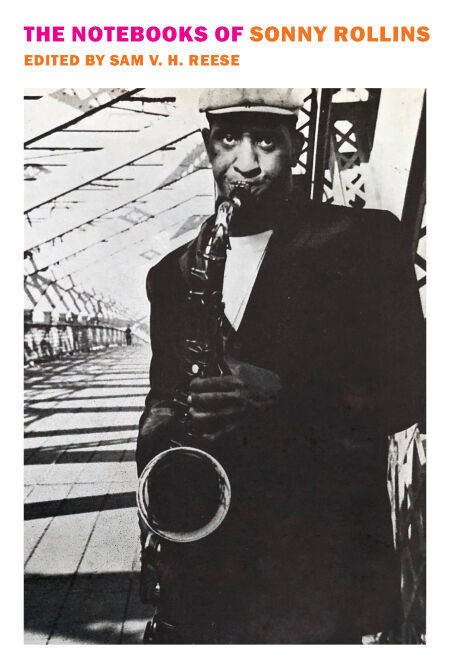
An illuminating selection of writings on a wide variety of topics—everything from technique, music theory, and daily routine to spirituality and systemic racism—from the personal journals of Sonny Rollins, master of the tenor saxophone and “jazz’s greatest living improviser” (The New York Times).
Sonny Rollins is one of the towering masters of American music, a virtuoso of the saxophone, and an unequaled improviser whose live performances are legendary and who has reshaped modern jazz time and time again over the course of a career lasting more than sixty years. A turning point in that legendary career came in 1959, when Rollins stepped back from performing and recording to begin a new regime of musical exploration, which saw him practicing for hours, sometimes all through the night, on the Williamsburg Bridge. This was also the moment when he started the notebook that would become a trusted companion in years to come—not a diary so much as a place to ponder art and life and his own search for meaning in words and in images.
At once quotidian and aphoristic, the notebooks mingle lists of chores and rehearsal routines with ruminations on nightclub culture, racism, and the conundrums of the inner life. And always there is the music—questions of embouchure, fingering, and technique; of harmony and dissonance; of his own and others’ art and the art of jazz. “Any definition,” Rollins insists, “which seeks to separate Johann Sebastian Bach from Miles Davis is defeating its own purpose of clarification. . . .The Musings of Miles is then the Bouncing of Bach both played against each other.”
Edited and introduced by the critic and jazz scholar Sam V.H. Reese, The Notebooks of Sonny Rollins provides an unequaled glimpse into the mind and workshop of a musical titan, as well as a wealth of insight and inspiration to readers.
Sonny Rollins is one of the towering masters of American music, a virtuoso of the saxophone, and an unequaled improviser whose live performances are legendary and who has reshaped modern jazz time and time again over the course of a career lasting more than sixty years. A turning point in that legendary career came in 1959, when Rollins stepped back from performing and recording to begin a new regime of musical exploration, which saw him practicing for hours, sometimes all through the night, on the Williamsburg Bridge. This was also the moment when he started the notebook that would become a trusted companion in years to come—not a diary so much as a place to ponder art and life and his own search for meaning in words and in images.
At once quotidian and aphoristic, the notebooks mingle lists of chores and rehearsal routines with ruminations on nightclub culture, racism, and the conundrums of the inner life. And always there is the music—questions of embouchure, fingering, and technique; of harmony and dissonance; of his own and others’ art and the art of jazz. “Any definition,” Rollins insists, “which seeks to separate Johann Sebastian Bach from Miles Davis is defeating its own purpose of clarification. . . .The Musings of Miles is then the Bouncing of Bach both played against each other.”
Edited and introduced by the critic and jazz scholar Sam V.H. Reese, The Notebooks of Sonny Rollins provides an unequaled glimpse into the mind and workshop of a musical titan, as well as a wealth of insight and inspiration to readers.
Specificaties
Betrokkenen
- Auteur(s):
- Uitgeverij:
Inhoud
- Aantal bladzijden:
- 176
- Taal:
- Engels
Eigenschappen
- Productcode (EAN):
- 9781681378275
- Verschijningsdatum:
- 15/04/2024
- Uitvoering:
- E-book
- Beveiligd met:
- Adobe DRM
- Formaat:
- ePub


Alleen bij Standaard Boekhandel
+ 17 punten op je klantenkaart van Standaard Boekhandel
Cadeau

AANGERADEN


Beoordelingen
We publiceren alleen reviews die voldoen aan de voorwaarden voor reviews. Bekijk onze voorwaarden voor reviews.