


- Afhalen na 1 uur in een winkel met voorraad
- Gratis thuislevering in België vanaf € 30
- Ruim aanbod met 7 miljoen producten
- Afhalen na 1 uur in een winkel met voorraad
- Gratis thuislevering in België vanaf € 30
- Ruim aanbod met 7 miljoen producten





Omschrijving
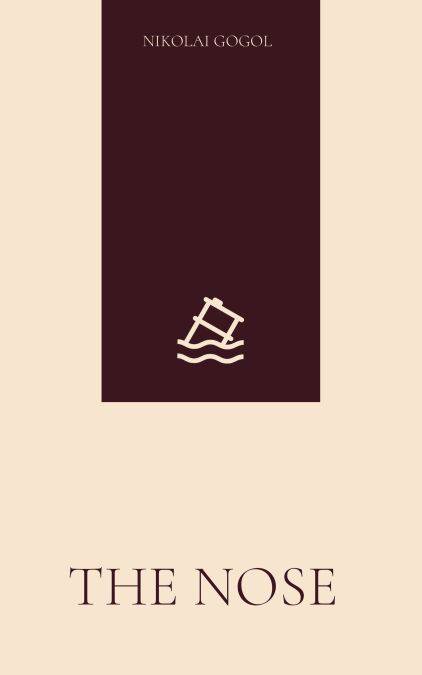
The Nose by Nikolai Gogol is a brilliantly absurd and sharply satirical short story that showcases the author's unmatched talent for blending the grotesque with biting social commentary. First published in 1836, this classic of Russian literature remains a timeless exploration of vanity, bureaucracy, identity, and the fragile foundations of social status.
The story begins with an astonishing premise: Collegiate Assessor Kovalyov awakens one morning to discover that his nose has mysteriously disappeared from his face. As if that were not alarming enough, the missing appendage is soon found living an independent life—dressed in uniform and enjoying a rank higher than its former owner. What follows is a frantic and darkly comic quest as Kovalyov attempts to reclaim his wandering nose and restore his dignity.
Through this surreal and outrageous narrative, Gogol exposes the absurdities of social hierarchy and the obsession with rank that defined nineteenth-century Russian society. Kovalyov's distress is not merely physical; it is deeply social. Without his nose, he fears humiliation, lost opportunities, and the collapse of his carefully cultivated public image. Gogol uses exaggeration and absurdity to highlight how identity can become entangled with appearance, status, and external validation.
At once whimsical and profound, The Nose exemplifies Gogol's distinctive style—rich in irony, playful in tone, and layered with meaning beneath its comic surface. The tale moves effortlessly between the ridiculous and the reflective, inviting readers to laugh while quietly confronting deeper questions about self-importance and the illusions of authority.
More than a humorous oddity, The Nose is a pioneering work of satirical fiction that anticipates elements of modern absurdism and magical realism. Its influence can be seen in generations of writers who explore the strange and illogical to reveal uncomfortable truths about society and human nature.
Witty, imaginative, and delightfully bizarre, The Nose stands as one of Gogol's most memorable creations—a story that reminds us how easily identity can slip away, and how fragile the structures of pride and power truly are.
The story begins with an astonishing premise: Collegiate Assessor Kovalyov awakens one morning to discover that his nose has mysteriously disappeared from his face. As if that were not alarming enough, the missing appendage is soon found living an independent life—dressed in uniform and enjoying a rank higher than its former owner. What follows is a frantic and darkly comic quest as Kovalyov attempts to reclaim his wandering nose and restore his dignity.
Through this surreal and outrageous narrative, Gogol exposes the absurdities of social hierarchy and the obsession with rank that defined nineteenth-century Russian society. Kovalyov's distress is not merely physical; it is deeply social. Without his nose, he fears humiliation, lost opportunities, and the collapse of his carefully cultivated public image. Gogol uses exaggeration and absurdity to highlight how identity can become entangled with appearance, status, and external validation.
At once whimsical and profound, The Nose exemplifies Gogol's distinctive style—rich in irony, playful in tone, and layered with meaning beneath its comic surface. The tale moves effortlessly between the ridiculous and the reflective, inviting readers to laugh while quietly confronting deeper questions about self-importance and the illusions of authority.
More than a humorous oddity, The Nose is a pioneering work of satirical fiction that anticipates elements of modern absurdism and magical realism. Its influence can be seen in generations of writers who explore the strange and illogical to reveal uncomfortable truths about society and human nature.
Witty, imaginative, and delightfully bizarre, The Nose stands as one of Gogol's most memorable creations—a story that reminds us how easily identity can slip away, and how fragile the structures of pride and power truly are.
Specificaties
Betrokkenen
- Auteur(s):
- Uitgeverij:
Inhoud
- Aantal bladzijden:
- 31
- Taal:
- Engels
Eigenschappen
- Productcode (EAN):
- 9781965799451
- Verschijningsdatum:
- 26/02/2026
- Uitvoering:
- E-book
- Beveiligd met:
- Digital watermarking
- Formaat:
- ePub


Alleen bij Standaard Boekhandel
Cadeau

AANGERADEN


Beoordelingen
We publiceren alleen reviews die voldoen aan de voorwaarden voor reviews. Bekijk onze voorwaarden voor reviews.