


- Afhalen na 1 uur in een winkel met voorraad
- Gratis thuislevering in België vanaf € 30
- Ruim aanbod met 7 miljoen producten
- Afhalen na 1 uur in een winkel met voorraad
- Gratis thuislevering in België vanaf € 30
- Ruim aanbod met 7 miljoen producten





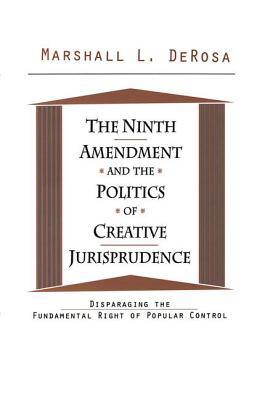
The Ninth Amendment and the Politics of Creative Jurisprudence
Disparaging the Fundamental Right of Popular Control
Marshall DeRosa
Paperback | Engels
€ 117,95
+ 235 punten
Uitvoering
Omschrijving
This is the thirty-first volume in Religion and Public Life, formerly This World, a series on religion and public affairs. This ongoing series seeks to provide a wide-ranging forum for differing views on religious and ethical considerations. The essays grouped together in Culture and Consumption discuss the phenomenon of consumption, an identifiable and pervasive feature of American culture that distinguishes it from other national cultures. The lead article provides an insight into the long-standing pattern of consumption that has been progressively elevated into social policy in America. This is a balanced analysis of the history of the consumption cultural ethos beginning with the undermining of the Native American Culture and ending with Wilsonian Liberal-Internationalism and the demise of the moral authority of organized labor. This commercialization of culture has always competed with the funding vision of a dispassionate social order in which custom, deferential politics, and continuation of traditional hierarchal values would be the constitutional agenda. Another contributor argues that the emergence of the democratic-consumer state in America was anticipated in de Tocqueville's observation that "in democracies nothing has brighter luster than commercea." Other contributor essays treat issues such as the New Class and the consumer state; technology's triumph at the expense of the social and natural worlds; and argue against the materialist perspective in addiction. Culture and Consumption includes the following major contributions: "The Dialectic of Consumption: Materialism and Social Control" by David Brown; "Religion, Social Science and the Ironies of Parasitic Modernity" by Guy Alchon; The Dilemma of Hypermodernity" by Mark Wegierski; "Toward an Epistemology of Addiction" by Leonard Kaplan and Vince Rinella. Also included are book reviews by Martha Davis and Conrad Kanagy. In a concluding essay, Gabriel Ricci reviews
Specificaties
Betrokkenen
- Auteur(s):
- Uitgeverij:
Inhoud
- Aantal bladzijden:
- 226
- Taal:
- Engels
Eigenschappen
- Productcode (EAN):
- 9781138516502
- Verschijningsdatum:
- 29/01/2018
- Uitvoering:
- Paperback
- Formaat:
- Trade paperback (VS)
- Afmetingen:
- 152 mm x 229 mm
- Gewicht:
- 308 g


Alleen bij Standaard Boekhandel
+ 235 punten op je klantenkaart van Standaard Boekhandel
AANGERADEN


Beoordelingen
We publiceren alleen reviews die voldoen aan de voorwaarden voor reviews. Bekijk onze voorwaarden voor reviews.