



Je cadeautjes zeker op tijd in huis hebben voor de feestdagen? Kom langs in onze winkels en vind het perfecte geschenk!
- Afhalen na 1 uur in een winkel met voorraad
- Gratis thuislevering in België vanaf € 30
- Ruim aanbod met 7 miljoen producten
Je cadeautjes zeker op tijd in huis hebben voor de feestdagen? Kom langs in onze winkels en vind het perfecte geschenk!
- Afhalen na 1 uur in een winkel met voorraad
- Gratis thuislevering in België vanaf € 30
- Ruim aanbod met 7 miljoen producten





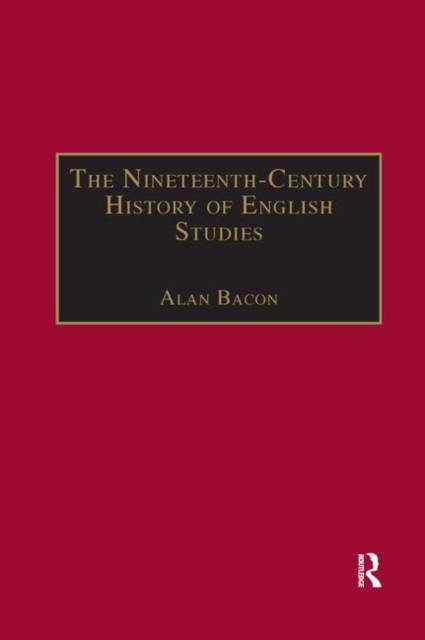
The Nineteenth-Century History of English Studies
€ 86,95
+ 173 punten
Omschrijving
This study collects together many of the original texts from the long-running debate which surrounded the rise of English as an academic subject. Most of the texts were ephemeral and have been long out of print, but they are essential to an understanding of how English studies developed. They show how English was influenced by pre-existing subjects like rhetoric and classics, and how it assumed different faces in different academic institutions. Each text is given an introduction which sets it in context and highlights themes. A general introduction to the book sketches the history of English studies in the nineteenth century. London was central to the early history, with University College, King's College and Queen's College all looming large. Oxford figured later in the century, and became the centre of a truly national debate over the future of the subject. Schools played a part, especially grammar schools catering for middle-class pupils who were commonly identified as the main market for English.
Specificaties
Betrokkenen
- Uitgeverij:
Inhoud
- Aantal bladzijden:
- 336
- Taal:
- Engels
- Reeks:
Eigenschappen
- Productcode (EAN):
- 9780367888176
- Verschijningsdatum:
- 12/12/2019
- Uitvoering:
- Paperback
- Formaat:
- Trade paperback (VS)
- Afmetingen:
- 156 mm x 234 mm
- Gewicht:
- 471 g


Alleen bij Standaard Boekhandel
+ 173 punten op je klantenkaart van Standaard Boekhandel
CADEAU


Beoordelingen
We publiceren alleen reviews die voldoen aan de voorwaarden voor reviews. Bekijk onze voorwaarden voor reviews.